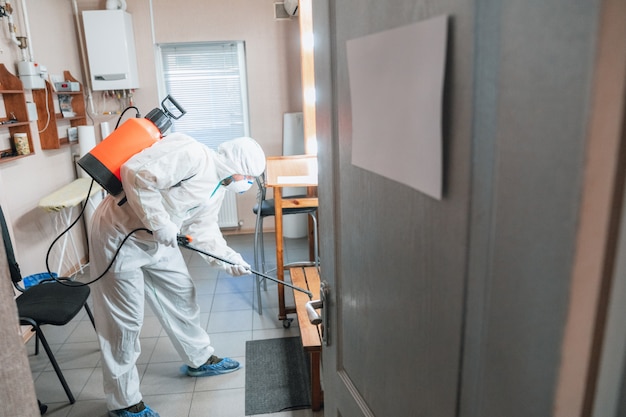
In the realm of environmental health and safety, ensuring a space is truly clean and free from harmful contaminants post-remediation is crucial. Post Remediation Verification (PRV) services have emerged as an essential step in the cleanup process, offering peace of mind and confirming that spaces are safe for habitation or use. Such services are not just about ticking off a checklist; they are an integral component of any remediation project, ensuring that the remediation efforts have been effective and that the environment is indeed clean.
Understanding Post Remediation Verification
Post Remediation Verification involves a series of inspections and tests that confirm the successful decontamination of an area. This process is vital in ensuring that the space is free from residual contaminants such as mold, asbestos, or hazardous chemicals. The key elements of PRV include:
- Comprehensive visual inspections to ensure no visible contaminants remain.
- Air quality testing to detect any airborne pollutants.
- Surface sampling to verify cleanliness at the microscopic level.
By engaging in these practices, stakeholders can ensure that the environment is conducive to health and safety standards. Discover expert strategies here.
The Importance of PRV Services
The importance of PRV services cannot be overstated. They serve multiple critical roles, including:
Ensuring Health and Safety
Health and safety are paramount, particularly in environments previously compromised by mold or hazardous materials. PRV services guarantee that these harmful elements are thoroughly eradicated, thus protecting the well-being of inhabitants. Learn about our tailored solutions.
Compliance with Regulations
There are stringent regulatory requirements governing environmental health and safety. PRV services help ensure compliance, reducing the risk of legal repercussions and enhancing the credibility of the remediation efforts.
Providing Documentation and Assurance
PRV services provide documented evidence that a space has been properly cleaned and is safe for use. This documentation is invaluable for property owners, especially in real estate transactions or when leasing commercial spaces.
Key Components of Effective PRV
A successful PRV process is characterized by several key components:
- Qualified Professionals: Only trained and certified professionals should conduct PRV to ensure accuracy and reliability.
- State-of-the-Art Equipment: Utilizing advanced technology and equipment is essential for obtaining precise results.
- Detailed Reporting: Comprehensive reports should detail findings and recommendations, providing transparency and clarity.
Engaging in a thorough PRV process not only enhances the effectiveness of remediation efforts but also instills confidence in stakeholders. Explore advanced guides and tips.
Choosing the Right PRV Services
Selecting the appropriate PRV service provider is crucial to achieving the desired outcomes. Consider the following when making a decision:
- Reputation and Experience: Look for providers with a proven track record in the industry.
- Certification and Licenses: Verify that the provider has the necessary certifications and licenses to operate.
- Customer Reviews and Testimonials: Assess feedback from previous clients to gauge satisfaction and service quality.
Choosing wisely can make a significant difference in the success of the remediation process. Find out more about this approach.
Conclusion
Post Remediation Verification is an indispensable step in ensuring the effectiveness and safety of remediation projects. It not only safeguards health and compliance but also provides peace of mind to all involved. By understanding the importance and components of PRV services, stakeholders can ensure their environments are thoroughly and effectively cleaned, promoting safety and well-being for all.