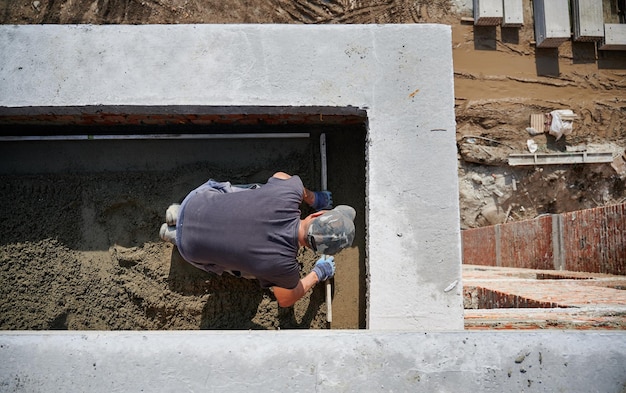
Concrete foundation underpinning is a crucial technique employed to stabilize and strengthen the foundations of structures that are either failing or need enhancement due to various factors such as soil conditions, design flaws, or natural wear over time. Understanding the various underpinning methods is essential for choosing the right solution for a specific structural issue. This article delves into the different concrete foundation underpinning methods, providing insights into their applications and benefits.
Understanding Underpinning
Underpinning is the process of extending the depth or breadth of a building’s foundation to better support its structure. This process is typically employed when the original foundation is no longer sufficient. Key reasons for underpinning include:
- Soil subsidence or erosion that undermines the foundation’s integrity.
- Increased load on the foundation due to building modifications.
- Natural disasters or environmental changes affecting soil stability.
For more detailed insights into underpinning, discover expert strategies here.
Traditional Mass Concrete Underpinning
This is the oldest and most conventional method of underpinning. It involves excavating sections below the existing foundation and filling them with concrete to enhance the foundation’s depth and support. Key features include:
- Cost-Effectiveness: Generally cheaper than other methods due to its simplicity.
- Time-Consuming: Requires careful excavation, making it a slower process.
- Suitability: Ideal for shallow foundations requiring minor enhancements.
To explore if this method aligns with your needs, find out more about this approach.
Beam and Base Underpinning
This method involves constructing a concrete beam below the current foundation, supported by concrete bases. It’s particularly effective for structures with varying load distributions. Notable advantages include:
- Load Distribution: Efficiently redistributes loads across the structure.
- Versatility: Effective for both light and heavy structures.
- Efficiency: Quicker implementation compared to traditional methods.
Explore advanced guides and tips for more information on this method.
Mini-Piled Underpinning
Mini-piled underpinning is suitable for sites with limited access or variable ground conditions. It involves driving small piles into the ground to depths of up to 15 meters. This technique is beneficial for:
- Restricted Access Sites: Ideal for areas where traditional underpinning is not feasible.
- Variable Soil Conditions: Effective for diverse soil types, providing robust support.
- Minimal Vibration: Reduces the risk of disturbance to existing structures.
For tailored solutions and expert advice, learn about our tailored solutions.
Resin Injection Underpinning
This modern approach involves injecting resin into the ground beneath the foundation to fill voids and stabilize the soil. Advantages of this method include:
- Speed: Fast application with minimal disruption to occupants.
- Precision: Controlled injection ensures accurate stabilization.
- Non-Invasive: Little to no excavation required, preserving landscaping.
Find out more about this approach to determine if it’s the right fit for your project.
Conclusion
Choosing the appropriate underpinning method depends on various factors including the type of building, soil conditions, and the extent of the foundation issue. Each method offers distinct benefits, and understanding these can lead to informed decisions that ensure the longevity and safety of a structure. Whether opting for traditional or modern techniques, consulting with professionals can provide comprehensive solutions tailored to specific needs.