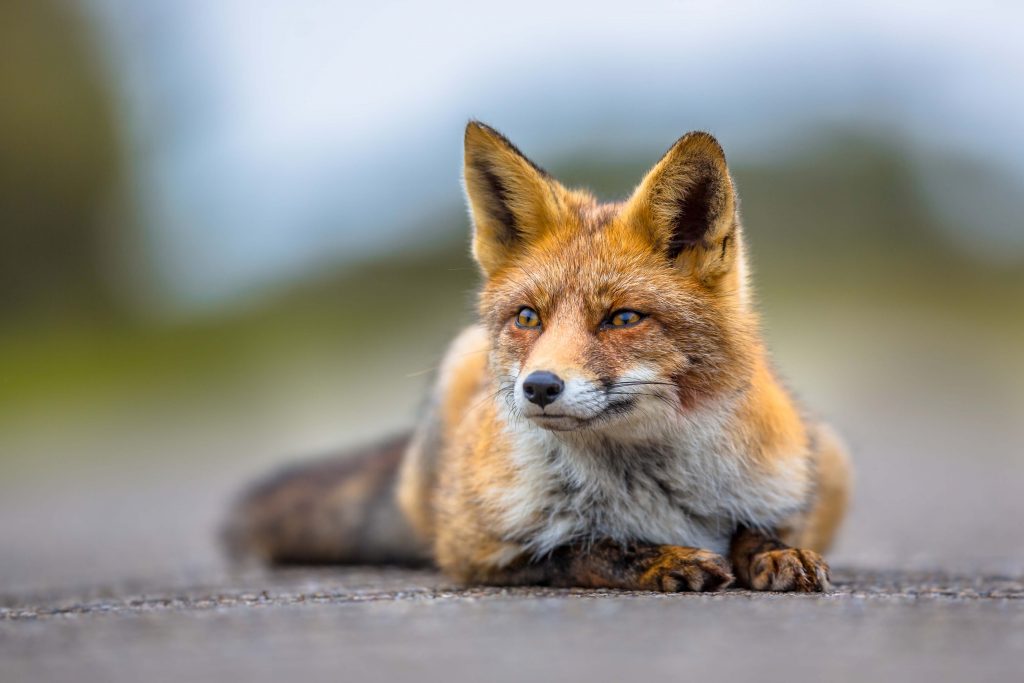
Encounters with wildlife can be both exciting and alarming, especially when these creatures encroach on human habitats. While many of these animals are simply exploring, others might pose risks to property and health. A professional wildlife removal company plays a crucial role in addressing these challenges, ensuring that interactions between humans and wildlife are managed safely and humanely. By understanding the importance of professional intervention, individuals can better appreciate the benefits of such services and the expertise required to handle wildlife issues effectively.
The Importance of Professional Wildlife Removal
When nuisance animals invade residential or commercial properties, they can cause significant damage and disrupt daily life. Professional wildlife removal services offer a structured approach to address these issues, emphasizing safety and efficiency.
- Expertise: Wildlife specialists possess the necessary skills and knowledge to identify different species and understand their behaviors.
- Safety: Handling wildlife can be hazardous. Professionals have the tools and protective gear to manage animals without risking harm.
- Humane Practices: Ethical treatment of animals is a priority, ensuring that removal methods are humane and compliant with regulations.
Common Wildlife Issues
Different regions face various wildlife challenges, and it’s essential to recognize the common nuisances to address them appropriately:
- Rodents: Mice and rats often invade homes in search of food and shelter, posing health risks.
- Birds: Pigeons and other birds can cause structural damage and health concerns through droppings.
- Squirrels: These creatures can infiltrate attics and chew on electrical wiring, leading to potential fire hazards.
- Raccoons: Known for scavenging, raccoons can create messes and spread diseases.
Steps Involved in Wildlife Removal
Engaging a wildlife removal company involves a systematic process designed to address the issue comprehensively:
Inspection and Assessment
The first step is to inspect the property thoroughly. This involves identifying entry points, nesting areas, and assessing the extent of the infestation. Understanding the problem’s scope allows for tailored solutions.
Developing a Removal Plan
After the assessment, professionals create a detailed plan. This plan outlines the methods and tools required for effective removal, emphasizing humane and safe practices tailored to the specific wildlife involved.
Execution of Removal
The removal phase employs various techniques depending on the animal and situation. This may include traps, exclusion methods, and deterrents. The goal is to relocate the animals without causing them stress or harm.
Post-Removal Measures
Once the wildlife is removed, professionals implement measures to prevent future invasions. This includes sealing entry points, advising on property modifications, and sometimes ongoing monitoring.
Choosing the Right Wildlife Removal Service
When selecting a wildlife removal services, consider the following factors to ensure a successful and ethical resolution:
- Licensing and Certification: Ensure the service is licensed and adheres to local wildlife regulations.
- Experience: Look for a track record of successfully handling similar cases.
- Reputation: Check reviews and testimonials to gauge client satisfaction.
- Transparency: A reputable service provides clear information about their methods and pricing.
Conclusion
Professional wildlife removal is an essential service for maintaining harmony between humans and nature. By opting for expert intervention, property owners can ensure that wildlife issues are resolved efficiently, safely, and humanely. Understanding the expertise and methods involved helps in making informed decisions that benefit both the property and the local ecosystem.