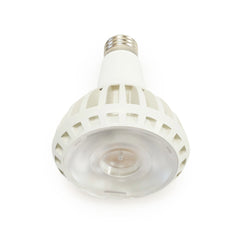
In the quest for maximizing plant growth, technology has become a gardener’s best ally. The introduction of LED grow light bulbs has revolutionized indoor gardening, offering unparalleled efficiency and enhancing plant growth through precise wavelengths. These lights have become indispensable tools for hobbyists and professionals alike, seeking to optimize their plant cultivation processes. LED grow light bulbs provide a spectrum tailored to the needs of plants, ensuring they receive the right kind of light at each stage of their growth. This article delves into the multifaceted benefits of LED grow lights and offers insights into how they can be leveraged for maximum plant growth.
The Science Behind LED Grow Light Bulbs
Understanding the science of LED grow lights is crucial for maximizing their potential. These bulbs utilize specific wavelengths of light that are most beneficial to plant growth, primarily red and blue light. These wavelengths are absorbed by chlorophyll and drive photosynthesis, which is the process by which plants convert light into energy.
Key Benefits
- Energy Efficiency: LED grow lights consume less electricity than traditional lighting solutions, making them a cost-effective choice.
- Long Lifespan: LEDs have a longer operational life, reducing the need for frequent replacements.
- Low Heat Output: These bulbs emit minimal heat, minimizing the risk of heat damage to plants.
- Customizable Light Spectrum: Tailor the light spectrum to match the specific growth needs of different plant species.
For an in-depth understanding of how these benefits translate into practical applications, discover expert strategies here.
Maximizing Growth with LED Technology
To fully harness the potential of LED grow lights, it is essential to understand how to effectively integrate them into your gardening setup. This involves strategic placement, understanding light cycles, and adjusting the light intensity to suit the growth stage of the plants.
Effective Usage Tips
- Light Placement: Position lights at an appropriate distance to ensure plants receive adequate light without causing stress or damage.
- Light Cycles: Mimic natural sunlight patterns by adjusting the duration and intensity of light exposure.
- Monitor Growth Stages: Adapt the light spectrum and intensity to the specific needs of plants during vegetative and flowering stages.
For a comprehensive guide on integrating LED grow lights into your home or professional setup, explore advanced guides and tips.
Environmental and Economic Benefits
LED grow light bulbs not only enhance plant growth but also provide significant environmental and economic advantages. Their energy efficiency reduces the carbon footprint of indoor gardening, aligning with sustainable practices. Additionally, the longevity of LEDs lowers the overall cost of operation, making them a prudent investment.
Sustainability Factors
- Reduced Energy Consumption: Lower energy usage contributes to decreased greenhouse gas emissions.
- Durability: Longer-lasting lights reduce waste and the need for disposal of old bulbs.
- Cost Savings: Over time, the reduction in energy bills and replacement costs makes LEDs a budget-friendly option.
To understand more about how LED grow lights contribute to sustainable gardening, find out more about this approach.
Conclusion
LED grow light bulbs have become a pivotal component in modern plant cultivation, offering a blend of efficiency, versatility, and sustainability. By customizing light conditions to meet the specific needs of plants, these lights ensure healthier growth and greater yields. Whether for home gardening or commercial purposes, understanding and utilizing LED technology can significantly enhance plant growth. For further information on tailored solutions, learn about our tailored solutions.