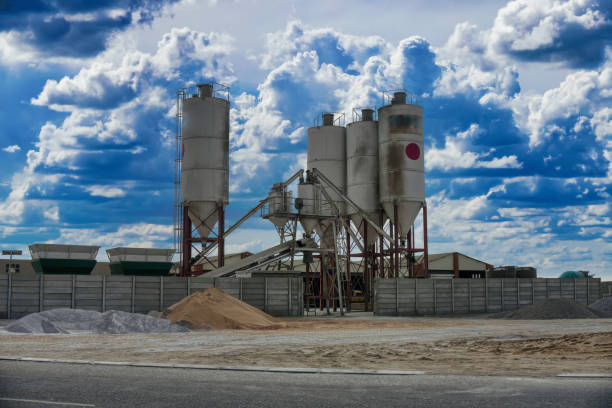
Concrete mixing plants are pivotal in the construction industry, providing the necessary infrastructure to mix raw materials into concrete efficiently. Choosing the right plant for a specific project can significantly impact the quality of the final output, as well as the project”?s timeline and budget. With various types of concrete plants available, understanding the differences and applications of each is crucial for decision-makers to ensure project success.
Types of Concrete Mixing Plants
There are several types of concrete mixing plants, each designed to meet specific needs. Here”?s an overview of the most common types:
- Concrete Batch Mix Plant: This type of plant combines various ingredients to form concrete, including water, gravel, sand, and cement. It is ideal for large-scale projects that require high-volume mixed concrete. More about the concrete batch mix plant can be explored here.
- Ready Mix Concrete Plant: Often located near construction sites, this plant type delivers pre-mixed concrete to the site. It is perfect for projects that demand a consistent quality of concrete. Details on the ready mix concrete plant are available online.
- Mobile Concrete Plant: This portable option allows for on-site mixing and is especially useful for projects spread across different locations. Learn more about the versatility of a mobile concrete plant here.
- Dry Batch Concrete Plant: Ingredients are mixed without water, which is added later. This method suits projects that require long transportation or waiting times. Discover the benefits of a dry batch concrete plant.
- Wet Batch Concrete Plant: All ingredients, including water, are mixed together in this type of plant. It is suitable for projects needing immediate use of concrete. Insights into a wet batch concrete plant can be found here.
Key Considerations When Choosing a Concrete Mixing Plant
Project Requirements
Understanding the specific requirements of a project is the first step in selecting the appropriate plant. Considerations include:
- Volume of Concrete: Determine the total volume of concrete required. Larger projects may benefit from a concrete mixing plant capable of high-output production.
- Type of Concrete: Some projects may need specialized concrete, which can dictate the plant choice.
- Location: Proximity to the construction site can influence the type of plant, especially if transportation time affects concrete quality.
Plant Capabilities
Evaluate the technical capabilities of potential concrete plants:
- Mixing Technology: Consider whether a wet mix plant or dry mix batching plant better suits the project”?s concrete type and specifications.
- Automation Level: Advanced automation features can enhance efficiency and precision.
- Capacity: Ensure the plant”?s capacity aligns with the project”?s production schedule.
Cost Considerations
While quality should never be compromised, cost-effectiveness is a vital consideration:
- Initial Investment: Analyze the initial cost against potential long-term savings.
- Operational Costs: Consider energy consumption, maintenance needs, and labor costs.
- Return on Investment (ROI): Evaluate the plant”?s ability to deliver value over its operational lifespan.
Conclusion
Choosing the right concrete plant is a multi-faceted decision that impacts project efficiency and success. By understanding the types of plants available and assessing key project requirements, capabilities, and costs, stakeholders can make informed decisions that align with their construction objectives. Thoughtful selection ensures that the concrete mixing plant effectively supports project demands, resulting in high-quality outcomes and optimized resource usage.