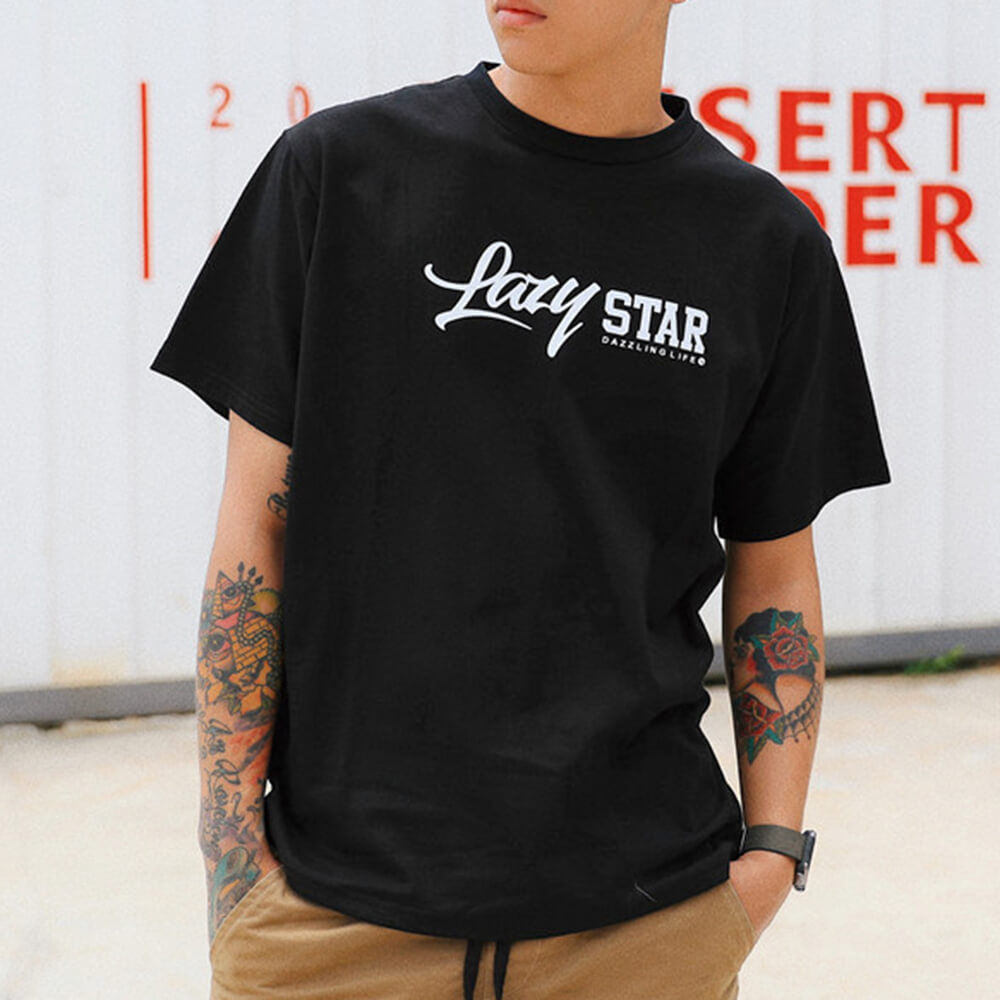
In today’s fashion landscape, consumers are no longer satisfied with off-the-rack items that lack personal expression. The rise of custom design for clothing has turned apparel into a canvas for individuality, allowing brands and individuals alike to craft pieces that reflect distinct style narratives. By leveraging advanced printing technologies, flexible supply chains, and data-driven design tools, creators can now deliver unique apparel solutions that meet both aesthetic desires and functional requirements.
Why Custom Design Matters in Modern Apparel
Custom apparel goes beyond simple logo placement; it integrates brand storytelling, market differentiation, and customer engagement. The benefits include:
- Brand differentiation: Tailored designs set a brand apart in a crowded marketplace.
- Enhanced customer loyalty: Consumers feel a stronger connection when they can influence the look of their garments.
- Reduced inventory risk: On-demand production minimizes overstock and waste.
- Higher perceived value: Unique pieces often command premium pricing.
For deeper insight into strategic implementation, Discover expert strategies here.
Key Components of a Successful Custom Clothing Program
Design Tools and Technology
Modern design platforms enable real-time visualization, allowing customers to experiment with colors, patterns, and placements before finalizing an order. Integration with AI-driven recommendation engines further streamlines the creative process.
Material Selection and Sustainability
Choosing the right fabrics is crucial for both comfort and environmental impact. Sustainable fibers such as organic cotton, recycled polyester, and Tencel not only meet eco-conscious consumer expectations but also enhance the brand’s reputation.
Production Workflow
Efficient workflows combine digital printing, embroidery, and cut-and-sew techniques. A typical pipeline includes:
- Digital mock-up creation
- Sample approval and quality checks
- On-demand manufacturing
- Automated fulfillment and shipping
To explore best practices for aligning these stages, Learn about our tailored solutions.
Implementing Custom Design for Different Market Segments
Corporate Apparel
Businesses seeking to reinforce brand identity often turn to custom uniforms and promotional wear. By incorporating subtle branding elements, such as tone-on-tone embroidery, companies can maintain a professional appearance while still standing out.
Fashion Retail
Retailers can offer limited-edition collections that respond to seasonal trends or local cultural influences. This approach creates urgency and exclusivity, driving both online traffic and in-store visits.
Sports and Performance Wear
Athletes benefit from personalized performance gear that balances style with functionality. Features like moisture-wicking fabrics, ergonomic seams, and custom graphics enhance both comfort and team spirit.
Marketing Custom Apparel Effectively
Successful promotion of custom clothing hinges on clear communication of value and process transparency. Strategies include:
- Showcasing behind-the-scenes videos of the design workflow.
- Highlighting customer testimonials and user-generated content.
- Offering interactive design tools on the brand’s website.
- Running limited-time campaigns that emphasize scarcity.
For actionable tips on building such campaigns, Explore advanced guides and tips.
Measuring Success and Optimizing the Offering
Key performance indicators (KPIs) help assess the impact of custom apparel initiatives:
- Conversion rate of design tool users to purchasers.
- Average order value compared to standard product lines.
- Customer satisfaction scores and repeat purchase frequency.
- Environmental metrics such as waste reduction.
Continuous data analysis enables iterative improvements, ensuring that the custom design experience evolves with consumer preferences. For further reading on analytical approaches, Find out more about this approach.
Future Trends in Custom Clothing
Emerging technologies promise to reshape the custom apparel landscape:
- 3D knitting: Produces seamless garments with precise fit.
- Augmented reality (AR) fitting: Allows shoppers to visualize garments on their bodies virtually.
- Blockchain provenance: Guarantees authenticity and sustainability claims.
Staying ahead of these trends ensures that brands can continue delivering innovative, unique apparel solutions that resonate with today’s discerning consumers.