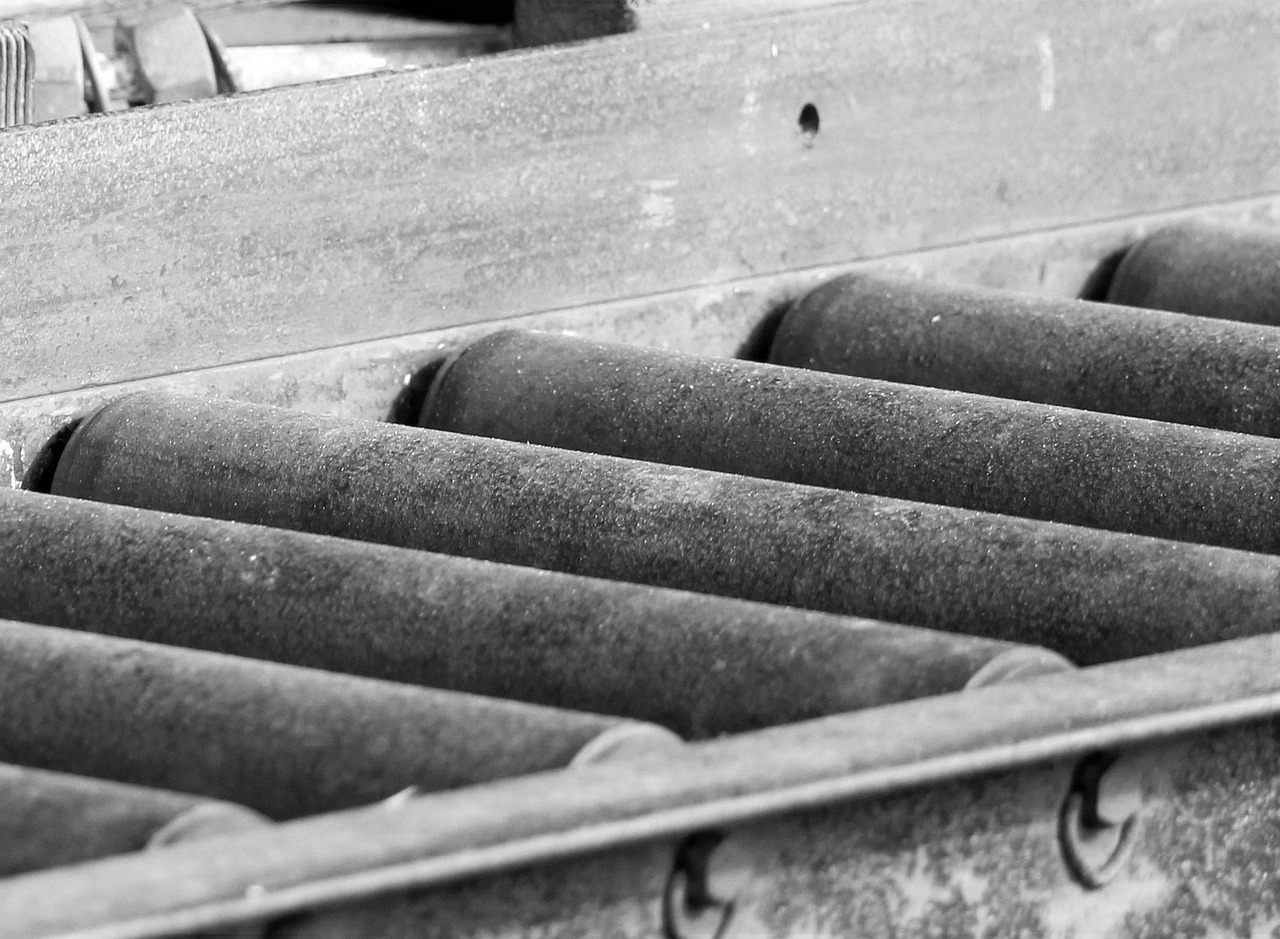
Conveyor belts are integral components in a myriad of industries, from manufacturing to logistics. They ensure the efficient movement of goods and materials, optimizing production processes and enhancing operational efficiency. However, understanding conveyor belt specifications can be daunting for those unfamiliar with the technical jargon. This article aims to demystify these specifications, providing clarity and insight into what factors should be considered when selecting a conveyor belt.
Key Specifications of Conveyor Belts
Material Composition
The material of a conveyor belt determines its durability and suitability for different environments. Common materials include:
- Rubber: Ideal for heavy-duty applications due to its durability and resistance to abrasion.
- Polyurethane: Known for its flexibility and resistance to wear and tear, suitable for light to medium loads.
- Plastic: Often used in food processing for its ease of cleaning and resistance to moisture.
Choosing the right material is crucial for ensuring the belt’s longevity and efficiency in specific applications. Find out more about this approach.
Load Capacity
Load capacity refers to the maximum weight a conveyor belt can support. It is essential to consider:
- Static Load: The weight of stationary items on the belt.
- Dynamic Load: The weight of moving items, which requires additional support due to inertia and acceleration forces.
Selecting a belt with the appropriate load capacity is vital to avoid mechanical failures and maintain operational efficiency. Discover expert strategies here.
Speed
The speed of a conveyor belt affects how quickly materials are transported from one point to another. Factors influencing speed include:
- Industry Requirements: Different industries have varied speed requirements based on their production lines.
- Material Type: Fragile items may require slower speeds to prevent damage.
Understanding the speed requirements of specific industries can significantly enhance production efficiency. Learn about our tailored solutions.
Environmental Considerations
Conveyor belts operate in diverse environments, each with unique challenges. It’s important to account for:
- Temperature: High-temperature environments require heat-resistant materials to prevent belt damage.
- Moisture: Environments with high moisture levels may require water-resistant or corrosion-resistant belts.
- Chemical Exposure: In chemical industries, belts must be resistant to specific chemicals to maintain integrity.
Selecting a conveyor belt that can withstand specific environmental conditions is crucial for long-term performance. Explore advanced guides and tips.
Maintenance and Longevity
Maintenance is a critical factor that influences the longevity and performance of conveyor belts. Key maintenance considerations include:
- Regular Inspections: Routine checks help identify wear and tear early, preventing costly breakdowns.
- Proper Lubrication: Ensures smooth operation and reduces friction-related damage.
- Tension Adjustments: Proper tension prevents slippage and increases efficiency.
Effective maintenance strategies can significantly extend the lifespan of conveyor belts. Learn about our tailored solutions.
Understanding and selecting the right conveyor belt specifications is essential for optimizing industrial processes. By considering material composition, load capacity, speed, environmental factors, and maintenance needs, industries can enhance their operational efficiency and ensure the longevity of their conveyor systems. For more in-depth insights, explore advanced guides and tips.