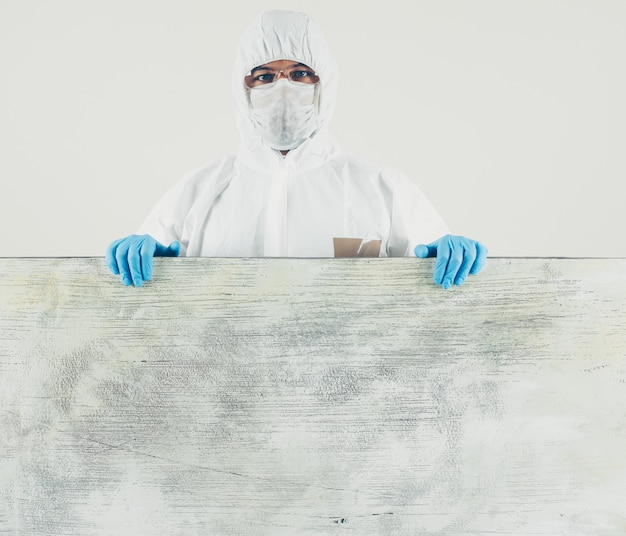
Mold growth is a persistent problem in many households, particularly in areas with high humidity levels like Queens, New York. It poses not only structural risks to properties but also severe health dangers to residents. Addressing this issue requires a comprehensive understanding of mold remediation processes and the careful implementation of strategies to ensure complete removal and prevention of future outbreaks.
Understanding Mold and Its Implications
Mold is a type of fungus that thrives in damp and humid environments. It can appear in various colors, including black, green, and white, and often emits a musty odor. The presence of mold can lead to several health problems, such as respiratory issues, skin irritation, and allergies. Moreover, prolonged exposure can exacerbate conditions like asthma.
Key Areas Vulnerable to Mold Growth
- Bathrooms and kitchens due to the constant use of water.
- Basements and attics because of poor ventilation.
- Leaky roofs and windows which allow water to seep in.
- HVAC systems that can distribute mold spores throughout a property.
For more detailed guidance on identifying these hotspots, discover expert strategies here.
Effective Mold Remediation Strategies
Successful mold remediation involves a series of steps designed to eliminate mold and prevent its return. Each step is crucial and should be executed with precision to ensure the safety and longevity of the property.
Inspection and Assessment
The first step in mold remediation is a thorough inspection to assess the extent of the mold infestation. This involves identifying the source of moisture that is facilitating mold growth and determining the areas affected. Professional inspectors use specialized tools and techniques to accurately gauge the severity of the problem. Explore advanced guides and tips for conducting effective inspections.
Containment
To prevent mold spores from spreading to unaffected areas, containment strategies are employed. This may include the use of physical barriers, negative air pressure, and shutting off HVAC systems. Proper containment is critical in protecting the rest of the property during the remediation process.
Removal and Cleaning
Once the mold is contained, the removal process begins. This involves the physical removal of mold-infested materials, such as drywall and carpeting, and the cleaning of affected areas. Specialized cleaning agents and tools are used to ensure that all traces of mold are eradicated. Learn about our tailored solutions to mold removal.
Drying and Dehumidification
Eliminating moisture is crucial in the remediation process. After cleaning, the affected areas must be thoroughly dried to prevent mold from reappearing. Dehumidifiers and air movers are often employed to expedite the drying process.
Prevention Strategies
Post-remediation, it is essential to implement preventive measures to avoid future mold growth. This includes repairing leaks, improving ventilation, and using mold-resistant products. Regular inspections and maintenance can also help in promptly identifying and addressing potential mold issues.
Find out more about this approach here.
Conclusion
Effective mold remediation in Queens involves a comprehensive approach, combining inspection, containment, removal, and prevention to protect properties and their inhabitants from the hazards of mold. By understanding the importance of each step and utilizing professional services, residents can ensure their homes remain safe, healthy, and mold-free. For tailored solutions and expert assistance, discover expert strategies here.