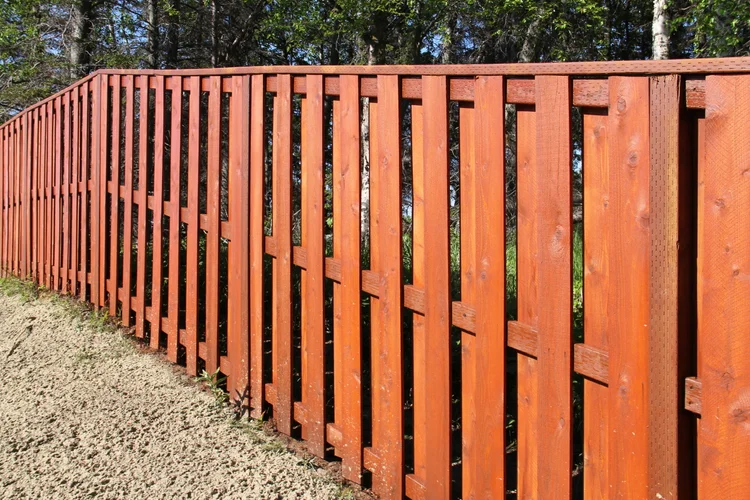
Designing the perfect fence for a landscape is a blend of art and functionality. It involves careful consideration of various elements to ensure that the fence not only serves its purpose but also enhances the overall aesthetic of the landscape. Whether for privacy, security, or purely decorative purposes, the right fence can transform an outdoor space. This article presents expert tips to help navigate the process of designing a fence that complements and elevates any landscape.
Understanding the Purpose of Your Fence
Before embarking on any fence designing project, it is crucial to understand the primary objective of the fence. This consideration will guide the choice of materials, design, and placement. Common purposes include:
- Privacy: Tall, solid fences are ideal for creating secluded spaces.
- Security: Fences with robust materials and secure designs deter intruders.
- Decoration: Ornamental fences add aesthetic value and can serve as a focal point in landscape design.
Choosing the Right Materials
Different materials offer varying levels of durability, maintenance, and aesthetic appeal. When selecting materials for fence and landscaping, consider the following options:
- Wood: Offers a classic look and can be painted or stained to match the landscape design.
- Vinyl: Known for its durability and low maintenance, it comes in various styles and colors.
- Metal: Provides strength and elegance, with options like wrought iron and aluminum.
- Composite: Combines the look of wood with the resilience of plastic, requiring minimal upkeep.
Designing for Aesthetic Appeal
Harmonizing with Existing Landscape
Consider the existing elements of the landscape when designing the fence. A well-designed fence should complement the natural surroundings and architectural style of the property. For backyard fence landscaping, choose colors and textures that blend seamlessly with the environment.
Incorporating Plant Life
Integrating plants with the fence design can enhance visual appeal. Options include:
- Climbing Plants: Use trellises or lattice fences to support climbing vines.
- Border Shrubs: Plant shrubs along the fence line for added depth and texture.
- Vertical Gardens: Attach planters to the fence for a functional and beautiful garden feature.
Considering the View from Both Sides
A well-designed fence should look appealing from both inside and outside the property. This is especially important for back fence landscaping, where the view from the home and the street are both visible. Choose designs that offer an attractive fa?ade on all sides.
Consulting with Professionals
For those unsure about where to start, consulting with fence designers arizona can provide valuable insights and professional assessment. Experienced designers can offer suggestions tailored to specific landscapes and personal preferences, ensuring the final outcome aligns with the vision.
Final Thoughts
Designing the perfect fence involves a balance between functionality and beauty. By understanding the purpose, choosing the right materials, and considering the aesthetic and practical aspects, a fence can become an integral part of a landscape. Whether it’s for privacy, security, or decoration, a thoughtfully designed fence can significantly enhance any outdoor space.