Every parent wants the best for their child, especially when it comes to early education. Preschool years are crucial for setting the foundation for lifelong learning and development. While the classroom provides structured learning, camps offer a unique blend of education and fun, making them an excellent choice for preschoolers. This guide provides insights into the various types of camps available, the benefits they offer, and how they can contribute to your child’s growth and happiness.
Types of Camps for Preschoolers
Choosing the right camp can be overwhelming given the variety of options. Here are some popular types of camps that cater specifically to preschoolers:
- Arts and Crafts Camps: These camps focus on creativity, helping children express themselves through various art forms such as painting, drawing, and sculpting.
- Nature and Outdoor Camps: Providing an opportunity to explore the great outdoors, these camps emphasize activities like hiking, gardening, and learning about wildlife.
- STEM Camps: An introduction to science, technology, engineering, and math through interactive experiments and problem-solving activities.
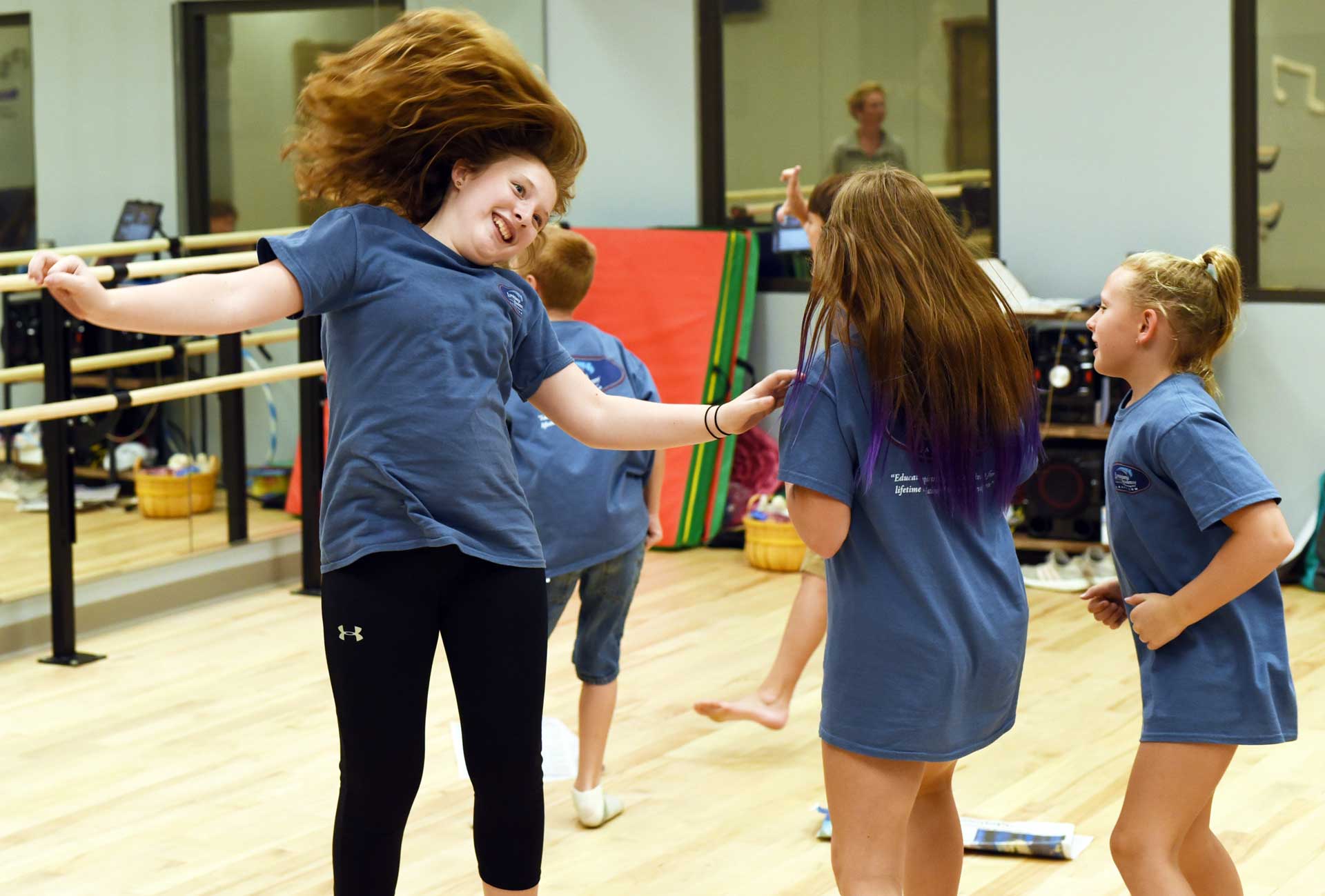
- Music and Dance Camps: Developing rhythm and coordination, these camps offer a chance for children to explore different musical instruments and dance styles.
Benefits of Preschool Camps
Camps are more than just a fun distraction for preschoolers. They offer a range of benefits that contribute significantly to a child’s development:
- Social Skills: Interacting with peers in a camp setting helps children develop essential social skills such as sharing, cooperation, and empathy.
- Independence: Being away from home, even for a short time, encourages independence and self-confidence.
- Physical Activity: Camps usually involve physical activities that help improve motor skills and overall health.
- Emotional Growth: Facing new challenges in a supportive environment aids in emotional maturation.
Discover expert strategies here to further understand how camps can benefit preschoolers.
Choosing the Right Camp
Selecting the right camp for your preschooler involves considering several factors to ensure it aligns with their interests and needs:
Consider Your Child’s Interests
Understanding what excites your child is crucial. Whether it’s art, science, or sports, choosing a camp that aligns with their interests can enhance their experience and learning.
Evaluate the Camp Environment
Safety and comfort are paramount. Ensure that the camp environment is secure and that staff are trained to handle young children. Visit the camp beforehand to get a feel for the place.
Find out more about this approach to evaluating camp environments and making informed choices.
Preparing Your Child for Camp
Preparation is key to ensuring your child has a positive camp experience. Here are a few tips to help get them ready:
- Discuss Expectations: Talk to your child about what they can expect from camp to alleviate any anxiety.
- Practice Independence: Encourage small tasks at home that promote independence, like dressing themselves or packing their own bag.
- Visit the Camp: If possible, take a tour of the camp with your child to familiarize them with the setting.
Explore advanced guides and tips for preparing your child for camp.
Camps provide a fruitful blend of education and play, making them an ideal option for preschoolers. By choosing the right camp, understanding its benefits, and preparing your child, you can ensure a rewarding and enriching experience. Remember, the right camp can be a transformative journey for your child, fostering growth and curiosity in a nurturing environment.