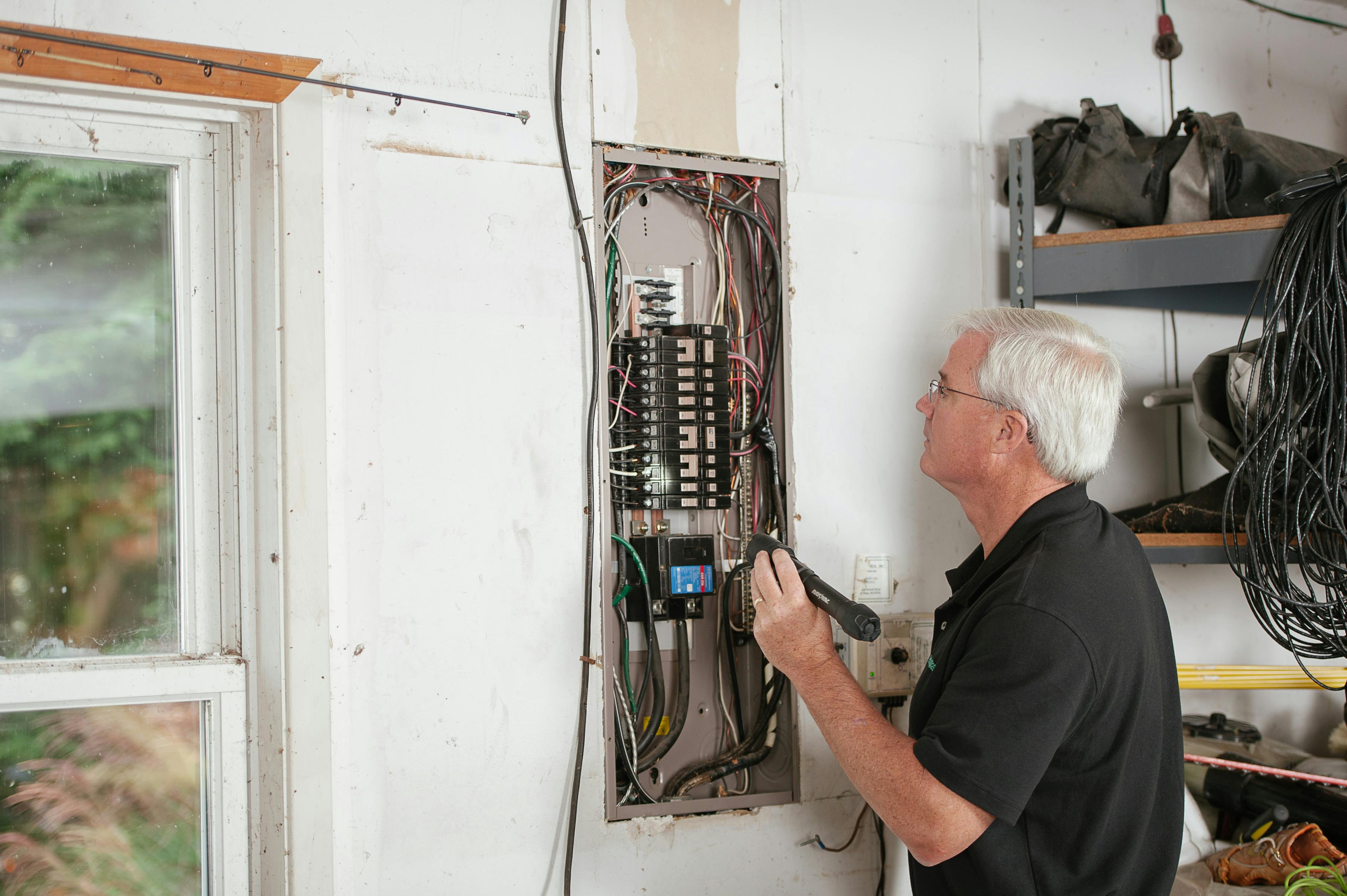
Energy efficiency in homes and buildings is a crucial factor in reducing energy costs and promoting sustainable living. One effective method to assess and improve energy efficiency is blower door testing. This diagnostic procedure identifies air leaks in a building’s envelope, allowing property owners to make informed decisions about energy-saving improvements. By understanding how blower door testing works and its financial benefits, property owners can take proactive steps to enhance their building’s efficiency, ultimately saving money in the long run.
Understanding Blower Door Testing
Blower door testing is a method used to measure the airtightness of a building by identifying areas where air leakage occurs. This test involves the use of a powerful fan mounted in the frame of an exterior door. The fan pulls air out of the building, lowering the air pressure inside. Higher outside air pressure then flows in through all unsealed cracks and openings. This process helps to identify problematic areas that may need sealing.
Key Components of Blower Door Testing
- Blower Door Fan: Creates a difference in air pressure to detect leaks.
- Pressure Gauge: Measures the air pressure difference inside and outside the building.
- Smoke Pencil: Uses smoke to visualize air leakage points.
- Thermal Imaging Camera: Detects temperature variations to identify leaks.
To learn more about the technical aspects of blower door testing, read more about this topic.
The Financial Benefits of Blower Door Testing
Blower door testing offers several financial advantages, particularly for those seeking to reduce energy costs and improve their building’s efficiency. Here are the primary ways in which this testing can help save money:
1. Reduced Energy Bills
By identifying and sealing air leaks, blower door testing minimizes unwanted heat loss in winter and heat gain in summer. This leads to:
- Lower Heating and Cooling Costs: Enhanced airtightness reduces the workload on HVAC systems, resulting in lower energy consumption.
- Improved HVAC Efficiency: Systems operate more efficiently, extending their lifespan and reducing maintenance costs.
Learn more in this detailed guide on how improved HVAC efficiency can contribute to financial savings.
2. Increased Property Value
Energy-efficient buildings are increasingly sought after, and properties with proven efficiency often command higher market values. Blower door testing provides tangible data to prospective buyers, which can:
- Enhance Market Appeal: Demonstrating energy efficiency can be a key selling point.
- Support Green Certifications: Testing results can contribute to certifications that boost property value.
Explore further insights here regarding the impact of energy efficiency on property value.
Implementing Blower Door Testing for Cost Savings
Implementing blower door testing as part of a building’s energy assessment strategy is straightforward and can be highly effective in identifying cost-saving opportunities. To ensure a successful implementation, consider the following steps:
Engage a Qualified Professional
- Expertise: Professionals have the necessary skills and equipment to perform accurate tests.
- Comprehensive Analysis: A thorough assessment will identify all potential areas for improvement.
Prioritize Repairs and Improvements
- Sealing Air Leaks: Addressing identified leaks should be a top priority for immediate savings.
- Insulation Enhancements: Consider upgrading insulation based on test findings to improve efficiency.
For those interested in pursuing these steps, find additional information here about engaging professionals and prioritizing improvements.
In conclusion, blower door testing is a powerful tool for enhancing a building’s energy efficiency, leading to significant financial savings. By understanding and implementing the insights gained from this testing, property owners can reduce energy costs, increase property value, and contribute to a more sustainable environment. For comprehensive guidance on this topic, consider exploring further resources and professional services.