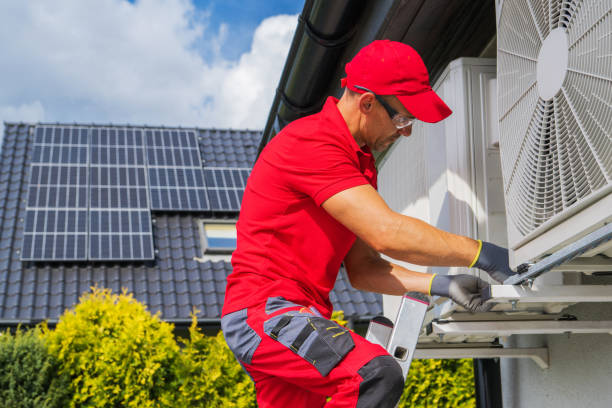
In today’s world, achieving optimal performance from a residential HVAC system is vital for ensuring comfort and energy efficiency. As homeowners seek to enhance indoor air quality and maintain ideal temperatures, understanding the nuances of HVAC system installation becomes essential. This guide provides insights into key considerations, steps, and best practices for an effective installation process.
Understanding Your HVAC Needs
Before embarking on a residential hvac system installation, it’s imperative to assess your specific needs. This step ensures the selection of an appropriate system tailored to your home’s unique requirements. Consider the following factors:
- Home Size and Layout: Larger homes may require more robust systems, while smaller spaces can operate efficiently with compact units.
- Climate Conditions: The local climate dictates the type of system best suited for optimal performance.
- Energy Efficiency: Evaluate the energy ratings of potential systems to balance cost with sustainability.
- Budget Constraints: Determine a realistic budget that encompasses both installation and long-term maintenance costs.
Steps for Successful HVAC Installation
An effective installation process involves several critical steps to ensure the system operates efficiently and reliably:
1. Site Preparation
Preparing the installation site is crucial for a smooth process. This includes:
- Clearing any obstacles that might hinder installation.
- Ensuring adequate space for the unit and necessary ductwork.
- Verifying electrical and fuel connections to support the new system.
2. System Selection
Choosing the right system is paramount. Consider:
- Consulting with a professional to match the system’s capacity to the home’s needs.
- Comparing different models and manufacturers for the best fit.
- Reviewing warranty options for long-term peace of mind.
3. Professional Installation
Engaging a certified technician is essential to ensure proper installation:
- Verify the technician’s credentials and experience with similar systems.
- Ensure adherence to local building codes and safety standards.
- Request a post-installation inspection to confirm system functionality.
Maintenance for Continued Performance
Post-installation, regular maintenance is key to prolonging the life of your HVAC system and maintaining its efficiency:
- Routine Inspections: Schedule annual inspections to catch potential issues early.
- Filter Replacements: Replace filters periodically to ensure optimal airflow and air quality.
- Duct Cleaning: Keep ducts clean to prevent blockages and improve air distribution.
- System Upgrades: Consider periodic upgrades to enhance efficiency and performance.
Conclusion
Optimal performance of a residential HVAC system hinges on careful planning, precise installation, and ongoing maintenance. By understanding your home’s specific needs, selecting the right system, and ensuring it is professionally installed, homeowners can enjoy a comfortable and energy-efficient living environment. For more information on residential hvac system installation, consider consulting with experts who can guide you through the process, ensuring your system delivers peak performance for years to come.