As energy costs continue to rise, homeowners are increasingly seeking ways to reduce their utility bills while minimizing their carbon footprint. Energy-saving rebates present a valuable opportunity to achieve both of these goals. These incentives not only help decrease initial investment costs for energy-efficient upgrades but also significantly lower long-term energy expenses. This guide aims to help homeowners navigate the realm of energy-saving rebates, offering insights into how to maximize savings and enhance home energy efficiency.
Understanding Energy Saving Rebates
Energy-saving rebates are financial incentives provided by governments, utility companies, or other entities to encourage the adoption of energy-efficient appliances and improvements. These rebates can cover a portion of the cost for various upgrades, including:
- High-efficiency heating and cooling systems
- Energy-efficient windows and doors
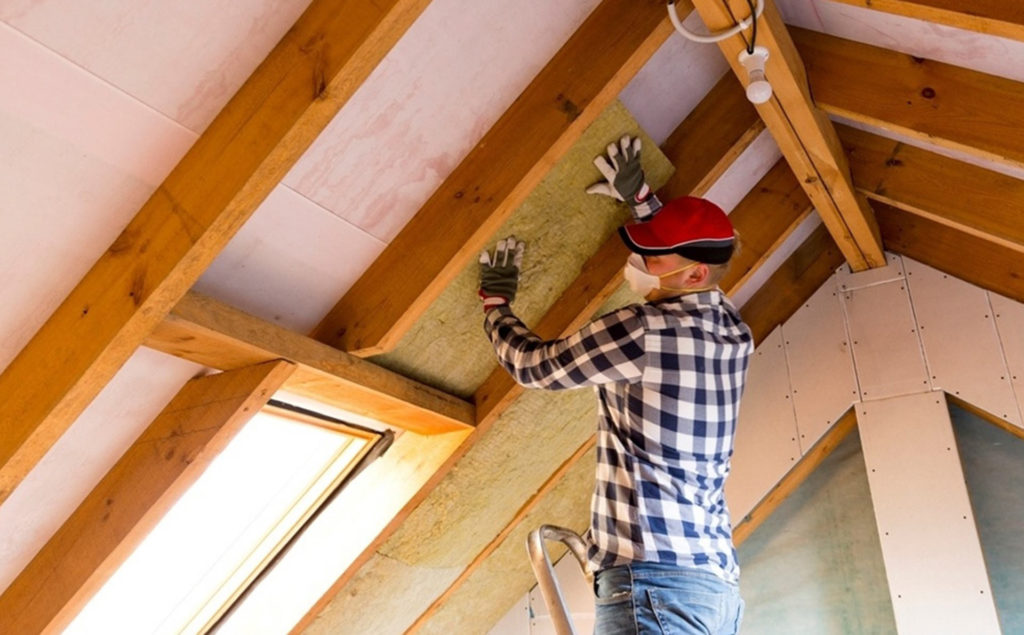
- Insulation improvements
- LED lighting installations
- Smart thermostats and home automation systems
To make informed decisions, homeowners can discover expert strategies here that detail the range of available rebates and how to qualify for them.
How to Qualify for Energy Saving Rebates
Research Local Rebate Programs
The first step in qualifying for energy-saving rebates is to research available programs. Many utility companies and local governments offer rebates tailored to the specific needs and environmental goals of their regions. Homeowners should:
- Contact local utility providers to inquire about available rebate programs.
- Visit government websites for state and federal rebate information.
- Explore online resources to learn about our tailored solutions for energy-saving improvements.
Understand Eligibility Requirements
Each rebate program may have different eligibility criteria. Common requirements include:
- Purchase of eligible energy-efficient products or services
- Installation by a certified professional
- Proof of purchase and installation
- Compliance with local building codes and standards
Homeowners should carefully review the specific requirements of each program to ensure eligibility and maximize savings.
Steps to Apply for Energy Saving Rebates
Gather Necessary Documentation
Before applying for rebates, homeowners need to collect all relevant documentation. This typically includes:
- Receipts for purchased products or services
- Installation certificates from certified professionals
- Photographs or documentation of the completed installation
Having this information ready will streamline the application process and increase the chances of successfully obtaining rebates.
Submit Applications Promptly
Many rebate programs operate on a first-come, first-served basis. To ensure eligibility, homeowners should:
- Submit applications as soon as the installation is complete
- Follow all submission guidelines and provide complete information
- Monitor application status and respond promptly to any requests for additional information
By staying proactive, homeowners can explore advanced guides and tips for effectively navigating the rebate application process.
Maximizing Savings with Energy-Efficient Upgrades
While energy-saving rebates provide financial incentives, the true value lies in the long-term savings achieved through energy-efficient upgrades. Homeowners can further enhance their savings by:
- Regularly maintaining and servicing energy-efficient appliances
- Utilizing smart technology to optimize energy usage
- Continuously seeking new rebates and incentives as they become available
To find out more about this approach, homeowners can explore resources and expert advice on optimizing energy efficiency and sustainability.
In conclusion, energy-saving rebates present an excellent opportunity for homeowners to reduce their energy costs while contributing to a more sustainable future. By understanding available programs, meeting eligibility requirements, and effectively applying for rebates, significant financial savings can be achieved. Additionally, investing in energy-efficient upgrades not only benefits the environment but also enhances the value and comfort of any home.