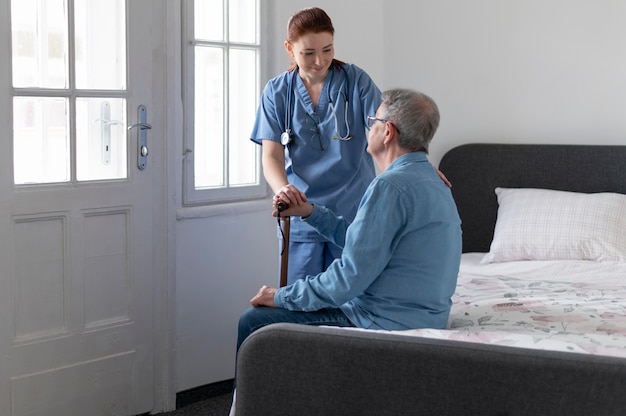
Caring for elderly loved ones can be a challenging yet fulfilling responsibility. As individuals age, they may require more support with daily activities, medical care, and emotional well-being. In-home care has emerged as an increasingly popular option for families seeking to provide their elderly relatives with the best possible quality of life. This article explores the numerous benefits of in-home care for seniors, providing insights into why this approach is often preferred over traditional nursing homes or assisted living facilities.
Personalized Care and Attention
One of the primary advantages of in-home care is the ability to offer personalized care tailored to the unique needs of each individual. Caregivers can:
- Customize care plans to address specific medical conditions and personal preferences.
- Provide one-on-one attention, ensuring that seniors feel valued and heard.
- Adjust care routines as needs evolve, maintaining flexibility and responsiveness.
Learn about our tailored solutions that can be adapted to meet the specific needs of your loved ones by visiting this page.
Maintaining Independence and Comfort
For many seniors, the ability to remain in their own homes is closely linked to their sense of independence and comfort. In-home care supports this by:
- Allowing seniors to continue living in familiar surroundings, which can be beneficial for their mental and emotional health.
- Facilitating participation in community activities and maintaining social connections.
- Encouraging seniors to engage in daily routines and hobbies, promoting a sense of purpose and autonomy.
Explore advanced guides and tips on how to maintain independence for seniors here.
Enhanced Safety and Health Monitoring
Safety is a critical concern when caring for elderly loved ones. In-home care services provide:
- Comprehensive health monitoring, ensuring timely medical interventions and medication management.
- Environmental safety assessments to minimize the risk of falls and other accidents.
- Support with mobility and daily activities, reducing the likelihood of injuries.
Find out more about this approach and how it prioritizes safety and health by visiting this link.
Emotional Support and Companionship
Elderly individuals often face feelings of loneliness and isolation, which can impact their overall well-being. In-home care offers:
- Consistent companionship, fostering emotional connections and reducing feelings of loneliness.
- Opportunities for social engagement, whether through conversation, activities, or outings.
- Emotional support from caregivers who understand the challenges seniors face.
Discover expert strategies here for enhancing emotional support for seniors by visiting this page.
Cost-Effective Care Solutions
In-home care can be a cost-effective alternative to institutional care, offering flexibility in service options. Key benefits include:
- Paying only for the services needed, avoiding unnecessary costs associated with full-time care facilities.
- Reducing transportation costs and associated inconveniences of traveling to appointments or facilities.
- Allowing families to manage budgets more effectively while ensuring high-quality care.
Learn how in-home care can be a financially viable option by exploring more about this approach here.
In summary, in-home care provides a comprehensive solution for supporting elderly loved ones, emphasizing personalized attention, independence, safety, emotional well-being, and cost-effectiveness. These benefits make it a preferred choice for many families seeking to enhance the quality of life for their aging relatives.