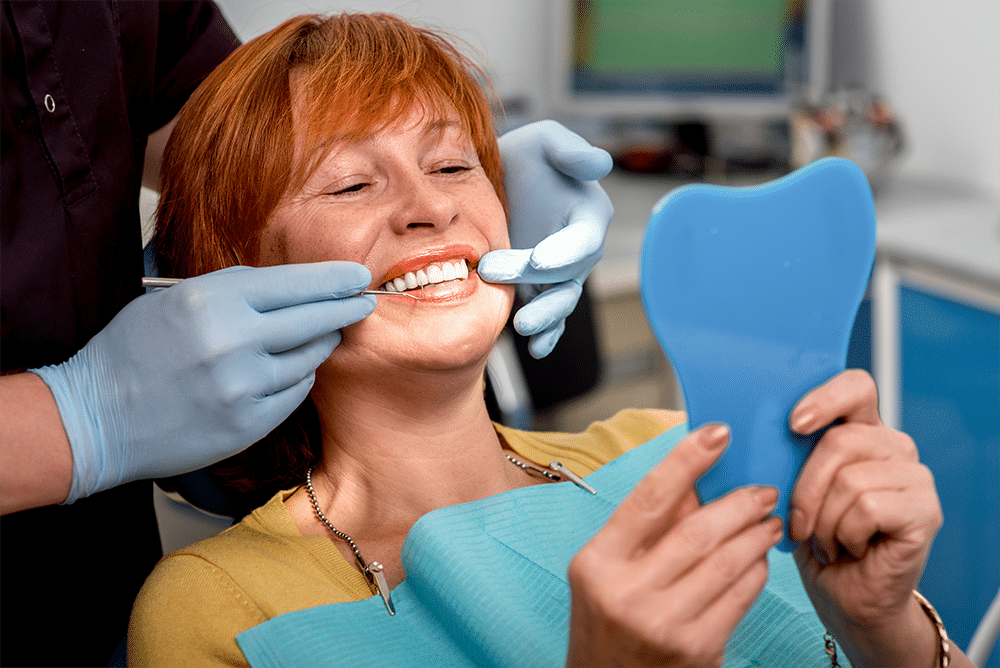
Orthodontic aligners have undergone a remarkable transformation since their inception. For decades, metal braces dominated the orthodontic landscape, providing an effective, albeit conspicuous, solution for correcting misaligned teeth. Today, however, transparent aligners offer an aesthetically pleasing alternative that combines advanced technology with cosmetic elegance. This evolution reflects the industry?s commitment to improving patient experience and outcomes. As dental practices continue to innovate, understanding the development of aligner technology is essential for appreciating the sophisticated solutions available today.
The Genesis of Orthodontic Aligners
The journey of orthodontic aligners began with traditional metal braces. Introduced in the early 20th century, these braces used metal brackets and wires to exert pressure on teeth, gradually guiding them into the desired position. While effective, they were often associated with discomfort, dietary restrictions, and aesthetic concerns.
Key Features of Early Metal Braces
- Constructed with stainless steel components.
- Required regular adjustments by orthodontists.
- Often caused irritation and discomfort in the mouth.
- Limited in terms of aesthetic appeal.
The Shift Towards Transparency
Advancements in materials science and orthodontic techniques paved the way for the development of transparent aligners. These aligners, often associated with brands like Invisalign, provide a virtually invisible alternative to metal braces. They are crafted from specialized clear plastic, offering a comfortable fit and greater freedom for patients. Discover expert strategies here.
Benefits of Transparent Aligners
- Enhanced cosmetic appeal due to their clear design.
- Removable, allowing for easier oral hygiene and dietary freedom.
- Custom-fitted using 3D imaging and computer-aided design.
- Reduced discomfort compared to traditional braces.
Technological Advancements in Aligner Design
Technological innovation has played a crucial role in the advancement of orthodontic aligners. The integration of digital imaging and 3D printing technologies has enabled the creation of aligners that are not only more comfortable but also more efficient in correcting dental irregularities. Learn about our tailored solutions.
Modern Technology Enhancements
- 3D imaging for precise mapping of dental structures.
- Computer-aided design for personalized aligner production.
- Use of thermoplastic materials for improved flexibility and durability.
- Integration with software for tracking treatment progress.
The Future of Orthodontic Aligners
As research and development continue, the future of orthodontic aligners looks promising. Emerging trends suggest a focus on further personalization and integration with digital health technologies, enhancing both the efficacy and experience of orthodontic treatment. Explore advanced guides and tips.
Predicted Developments
- Incorporation of artificial intelligence for treatment planning.
- Improved material sciences for even more discreet options.
- Greater accessibility and affordability of aligner treatments.
- Integration with smartphone apps for user-managed progress tracking.
The evolution from metal braces to transparent aligners marks a significant leap in orthodontic care, reflecting the industry’s dedication to innovation and patient satisfaction. For those seeking modern solutions, transparent aligners offer a blend of efficiency, comfort, and aesthetics. Find out more about this approach.