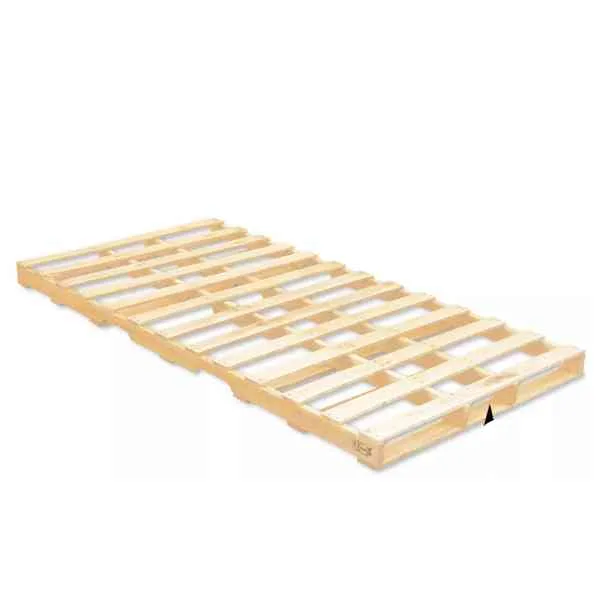
In the modern logistics landscape, efficiency and customization are key to maintaining a competitive edge. Custom pallets have emerged as an essential component in optimizing supply chain operations. These bespoke solutions provide tailored dimensions and specifications that meet specific requirements, ensuring the safe and efficient transport of goods. Understanding how to choose the perfect custom pallet solution can significantly impact operational efficiency and cost-effectiveness.
Understanding the Benefits of Custom Pallets
Custom pallets are designed to cater to specific needs, offering a range of benefits that standard pallets cannot provide. Here are some advantages:
- Tailored Fit: Custom pallets are designed to match the exact dimensions of products, maximizing space utilization and minimizing movement during transit.
- Improved Safety: By ensuring a snug fit, these pallets reduce the risk of product damage, enhancing the safety of goods.
- Cost Efficiency: By optimizing space and reducing damage, custom pallets can lead to significant cost savings in the long run.
- Sustainability: Custom pallets can be designed using sustainable materials, contributing to environmentally friendly practices.
Factors to Consider When Choosing Custom Pallets
Different industries and businesses have unique needs. Therefore, several factors should be considered when choosing custom pallets to ensure they meet specific requirements.
Material Selection
The choice of material is crucial for durability and functionality. Common materials include:
- Wood: Traditional and widely used, offering a balance between strength and cost.
- Plastic: Durable and lightweight, ideal for environments that require frequent sanitation.
- Metal: Highly durable and suitable for heavy loads and long-term use.
Load Capacity
Understanding the weight and volume of goods that will be transported is essential. Overloading a pallet can lead to structural failure and potential product damage.
Design and Construction
The design of a pallet can vary based on its intended use. Consider the following:
- 4-Way Entry: Allows forklifts to pick up the pallet from any side, increasing handling efficiency.
- 2-Way Entry: Provides access from only two sides, suitable for specific storage arrangements.
- Decking Style: Open or closed decking can affect the stability and safety of transported goods.
Regulatory and Compliance Considerations
Ensuring compliance with industry standards and regulations is vital for any business utilizing pallets. Consider the following:
- ISPM 15 Standards: Required for international shipping to prevent the spread of pests.
- Food Safety Regulations: For industries that transport food products, pallets must meet hygiene standards.
Making the Right Choice
Choosing the right custom pallet solution involves evaluating specific business needs, understanding the benefits of various materials, and ensuring compliance with relevant standards. By doing so, businesses can enhance their operational efficiency and reduce costs.
Conclusion
In summary, custom pallets offer a versatile and efficient solution for businesses looking to optimize their logistics operations. By carefully considering materials, design, load capacity, and regulatory requirements, businesses can select a pallet solution that aligns with their unique needs. This thoughtful approach not only enhances the safety and efficiency of goods transport but also contributes to long-term cost savings and sustainability.