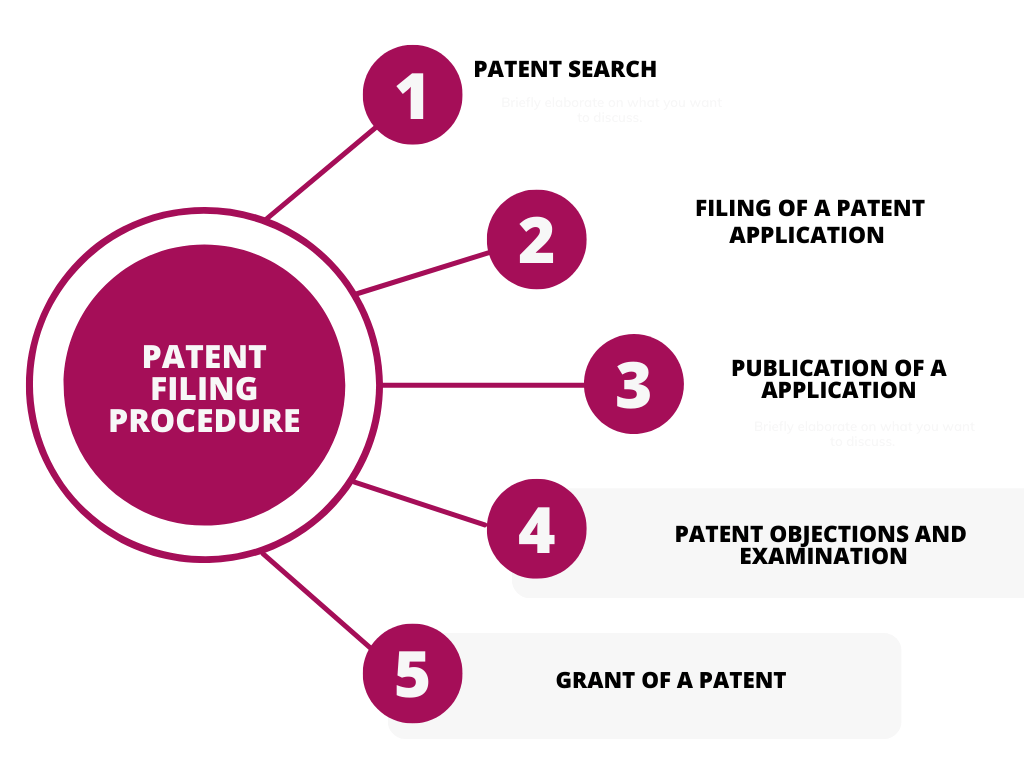
Filing a patent application is a crucial step for inventors looking to protect their intellectual property. It involves a systematic approach that ensures an invention is legally recognized and protected from unauthorized use. Understanding the intricacies of the patent filing process is essential for a smooth and successful application. This guide offers a comprehensive overview of the steps required to submit a patent application efficiently. By following these guidelines, inventors can safeguard their innovations and navigate the complex legal landscape of intellectual property rights.
Understanding the Basics of Patent Applications
Before diving into the application process, it’s important to grasp the fundamental concepts of patents. A patent grants an inventor exclusive rights to their invention for a certain period, typically 20 years. During this time, the inventor can control how the invention is used, manufactured, or sold.
Types of Patents
- Utility Patents: Cover new and useful inventions or discoveries.
- Design Patents: Protect the unique appearance or design of a product.
- Plant Patents: Applicable to new varieties of plants.
For more detailed insights into patent types, explore advanced guides and tips.
Steps to Submit a Patent Application
The patent application process involves several critical steps. Careful planning and attention to detail are vital to ensure all requirements are met.
1. Conduct a Thorough Patent Search
A preliminary patent search helps determine if the invention is unique and not already patented. This step can save time and resources by preventing unnecessary filings.
To learn about tailored solutions for patent searches, discover expert strategies here.
2. Prepare Detailed Documentation
Documentation is key. This includes:
- Title of the Invention: A concise title reflecting the invention.
- Abstract: A brief summary of the invention.
- Drawings: Visual representations of the invention.
- Claims: Define the scope of the patent protection.
3. File the Patent Application
Once documentation is complete, the application can be filed. This involves:
- Choosing the Filing Method: Decide between electronic or paper filing.
- Paying the Required Fees: Fees vary based on the patent type and filing method.
Find out more about this approach here.
Post-Submission Process
After submitting a patent application, several steps follow:
Patent Examination
The application undergoes examination by a patent examiner. This process involves reviewing the documentation to ensure it meets all legal requirements. If issues arise, the examiner may request additional information or clarification.
Responding to Office Actions
Applicants may receive office actions, which are official communications from the patent office. Timely and appropriate responses are necessary to address any issues or objections raised.
Patent Grant
Once all requirements are satisfied, the patent is granted. The inventor can now enforce the patent rights and protect the invention from infringement.
For further assistance in navigating post-submission processes, learn about our tailored solutions.
Conclusion
Submitting a patent application can be a complex and meticulous process. However, with the right guidance and resources, inventors can effectively protect their innovations. By understanding each step and ensuring all legal requirements are met, inventors can secure their intellectual property rights and capitalize on their creations. For additional support and expert advice, explore advanced guides and tips available online.