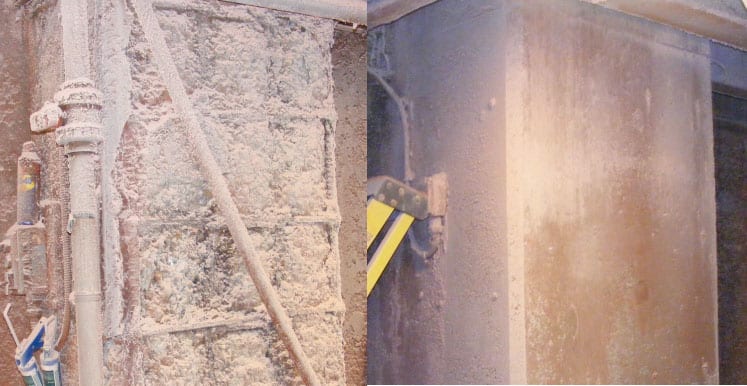
In the realm of construction and property maintenance, waterproofing is a critical component that ensures the longevity and durability of structures. The right waterproofing chemicals not only protect buildings from moisture intrusion but also enhance the structural integrity of the surfaces they are applied to. With a multitude of options available, selecting the right waterproofing solution can be overwhelming. This article delves into some of the most effective waterproofing chemicals that promise long-lasting results, offering insights into their applications and benefits.
Understanding Waterproofing Chemicals
Waterproofing chemicals are designed to prevent water penetration and are essential in safeguarding various surfaces such as roofs, basements, and walls. The choice of chemical depends on factors like the type of surface, environmental conditions, and the extent of exposure to water.
Types of Waterproofing Chemicals
Polyurethane
Polyurethane is a versatile waterproofing solution known for its ability to seal cracks and crevices effectively. It is:
- Highly flexible, adapting well to surface movements.
- Resistant to chemicals and weathering.
- Ideal for flat roofs and places prone to water pooling.
Discover expert strategies here on how polyurethane can be used in various scenarios.
Epoxy Resins
Epoxy resins are renowned for their strong adhesive properties and durability. They are particularly suitable for:
- Sealing concrete surfaces.
- Providing a robust barrier against chemical spills.
- Enhancing the mechanical strength of surfaces.
Learn about our tailored solutions to maximize the benefits of epoxy resins.
Acrylic Coatings
Acrylic coatings are another popular choice due to their water resistance and ease of application. They offer:
- High UV stability, making them ideal for exterior surfaces.
- Cost-effectiveness and a quick drying time.
- Versatility in various construction applications.
Explore advanced guides and tips on utilizing acrylic coatings effectively.
Choosing the Right Waterproofing Chemical
Selecting the right waterproofing chemical involves consideration of several factors:
- Surface Type: Different chemicals work better on specific surfaces, such as concrete, brick, or metal.
- Environmental Conditions: Consider the climate and exposure levels to water and sunlight.
- Application Method: Determine whether a DIY solution or professional application is more appropriate.
Find out more about this approach to ensure optimal performance and longevity.
Conclusion
Waterproofing is a vital process that extends the life of any structure by protecting it from water damage. With the right waterproofing chemicals, such as polyurethane, epoxy resins, and acrylic coatings, property owners can achieve durable and effective moisture barriers. When selecting a waterproofing solution, it is crucial to consider the specific needs of the structure and environmental conditions. To make informed decisions, explore advanced guides and tips that provide comprehensive insights into the world of waterproofing.