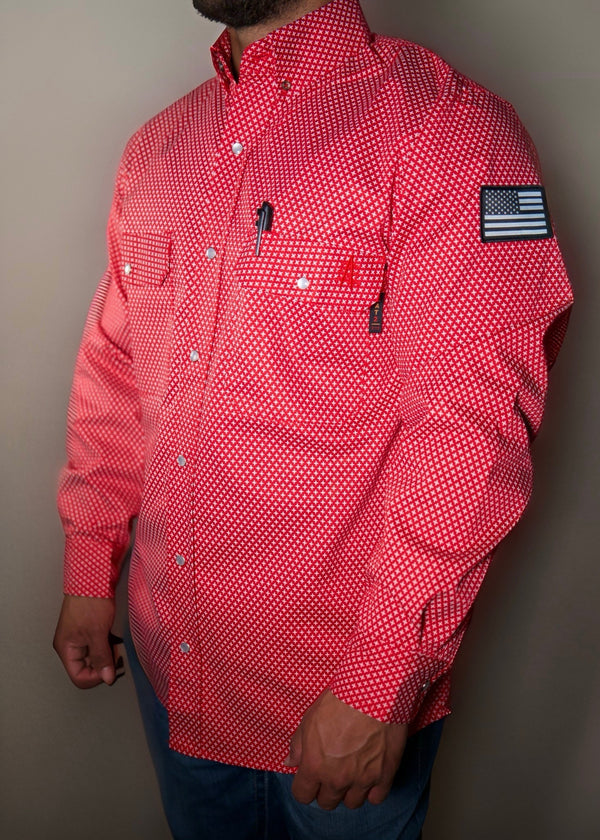
In many industrial and high-risk work environments, safety is paramount, and protective clothing plays a crucial role in safeguarding employees. Flame-resistant (FR) shirts are essential for workers exposed to fire or electrical hazards. Choosing the right FR shirt for your workplace can be daunting with various options and features. Understanding the key factors that determine the appropriate choice is critical for ensuring safety and compliance.
Understanding FR Shirt Standards
FR shirts must comply with specific safety standards to provide effective protection. Key standards to consider include:
- NFPA 2112: This standard specifies the minimum performance requirements and test methods for flame-resistant garments for use in areas at risk of flash fires.
- NFPA 70E: Focused on electrical safety, this standard outlines the requirements for reducing the risks associated with electrical hazards.
- ASTM F1506: Details the performance requirements for textile material used in electrical protection clothing.
These standards ensure that the garments provide adequate protection and meet the safety requirements for specific hazards. Learn about our tailored solutions to ensure compliance with these standards.
Material and Fabric Considerations
When selecting an FR shirt, the choice of material is crucial for both safety and comfort. Common materials include:
- Cotton: Often treated with flame-retardant chemicals, cotton provides comfort and durability but may require additional treatment to maintain its protective qualities.
- Nylon and Polyester blends: These synthetic materials are often inherently flame-resistant and offer high durability and strength.
- Wool: Naturally flame-resistant, wool is a less common choice due to its cost and weight but offers significant protection.
Understanding the fabric’s properties helps in selecting a shirt that balances protection, comfort, and cost. Explore advanced guides and tips to find the ideal material for your needs.
Key Features to Consider
Comfort and Fit
The right fit is essential for both safety and ease of movement. Consider the following:
- Size: Ensure the shirt fits well without being too tight or too loose.
- Design: Look for features like gusseted shoulders and underarm vents for enhanced mobility and breathability.
Ensuring a proper fit enhances the wearer’s comfort, which is critical for maintaining focus and productivity in high-risk environments.
Durability and Maintenance
FR shirts need to withstand the rigors of daily use while maintaining their protective qualities:
- Washability: Check for garments that retain their flame-resistant properties after multiple washes.
- Reinforcement: Look for reinforced seams and stress points to improve longevity.
Choosing durable materials reduces replacement costs and ensures ongoing protection. Find out more about this approach to long-lasting protective wear.
Assessing the Workplace Environment
Understanding the specific hazards of your workplace is crucial in selecting the right FR shirt. Consider:
- Type of Hazard: Identify whether the risks are primarily fire, electrical, or chemical.
- Frequency of Exposure: Determine how often employees are exposed to these hazards.
- Environmental Conditions: Assess temperature, humidity, and other factors that might affect comfort and protection.
By evaluating these elements, one can make informed decisions about the appropriate level of protection needed. Discover expert strategies here to match your workplace’s unique requirements.
Conclusion
Choosing the right FR shirt involves a comprehensive understanding of safety standards, material properties, and workplace hazards. By focusing on compliance, comfort, durability, and an accurate assessment of environmental risks, one can ensure optimal protection for employees. By exploring the diverse range of options available, businesses can make informed decisions to enhance safety and operational efficiency. Explore advanced guides and tips to stay updated on the best practices for selecting FR shirts tailored to specific needs.