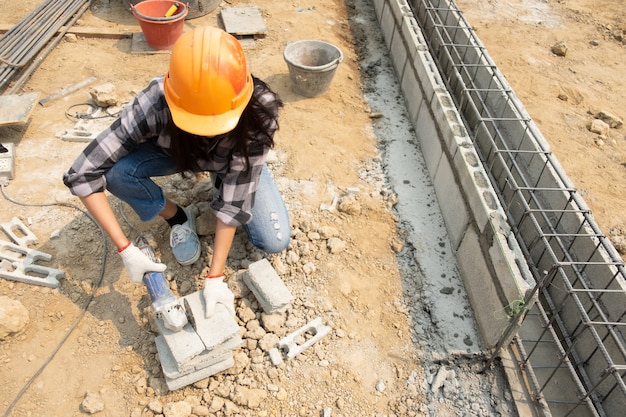
Underpinning is a crucial construction process that reinforces the foundation of a building. It is essential when a structure’s foundation is no longer strong enough to support the building. This need could arise due to various factors such as soil conditions, the age of the building, or additional construction. Understanding the cost associated with house underpinning is vital for homeowners considering this structural reinforcement. This article will delve into the factors influencing underpinning costs, offer insights into different underpinning techniques, and provide guidance on what to expect financially.
Factors Affecting Underpinning Costs
Several elements contribute to the overall cost of underpinning a house. These include:
- Extent of the Damage: The severity of the foundational damage directly impacts the cost. Minor issues may require less extensive work compared to significant structural problems.
- Type of Soil: Different soil types react differently to underpinning. Some soils may require more intensive work to stabilize than others.
- Foundation Depth: The deeper the foundation, the more complex and costly the underpinning process may become.
- Access to the Site: Easy access to your property can reduce labor costs, whereas difficult access may necessitate additional equipment or time.
- Method of Underpinning: Various techniques are available, each with its cost considerations. Discover expert strategies here.
Types of Underpinning Techniques
Mass Concrete Underpinning
Mass concrete underpinning, also known as traditional underpinning, involves digging beneath the existing foundation and pouring concrete to provide additional support. It is a time-tested method suitable for shallow foundations. Although it is labor-intensive, it is often cost-effective for smaller projects.
Beam and Base Method
This approach involves constructing a reinforced concrete beam below or above the existing foundation to distribute the load. The beam and base method is effective for larger structures requiring significant reinforcement. Learn about our tailored solutions here.
Mini-Piled Underpinning
Mini-piled underpinning is ideal for situations where soil conditions are poor, or the structural load is heavy. This method uses small diameter piles to transfer the load to more stable soil layers or rock. It’s an advanced technique suitable for sites with limited access or environmental restrictions. Explore advanced guides and tips here.
Financial Expectations and Planning
The cost of underpinning can vary significantly based on the factors and techniques outlined above. On average, homeowners might expect to pay between $1,000 to $3,000 per pier or around $10,000 to $15,000 for a whole-house underpinning project. However, these figures can fluctuate based on location, the complexity of the job, and service provider rates.
To budget effectively:
- Get Multiple Quotes: Consult with several contractors to understand the market rate for underpinning services.
- Consider Long-term Value: While underpinning is an investment, it significantly enhances the structural integrity and value of your home.
- Check for Financing Options: Some contractors offer flexible payment plans or financing to help manage the costs.
Find out more about this approach here.
Conclusion
House underpinning is a critical process that ensures the safety and stability of a building”?s foundation. By understanding the factors that affect underpinning costs and the different methods available, homeowners can make informed decisions that align with their budget and structural needs. For those seeking more information, exploring comprehensive guides and expert advice can be immensely beneficial in navigating this complex process. Find out more about the approach and solutions here.