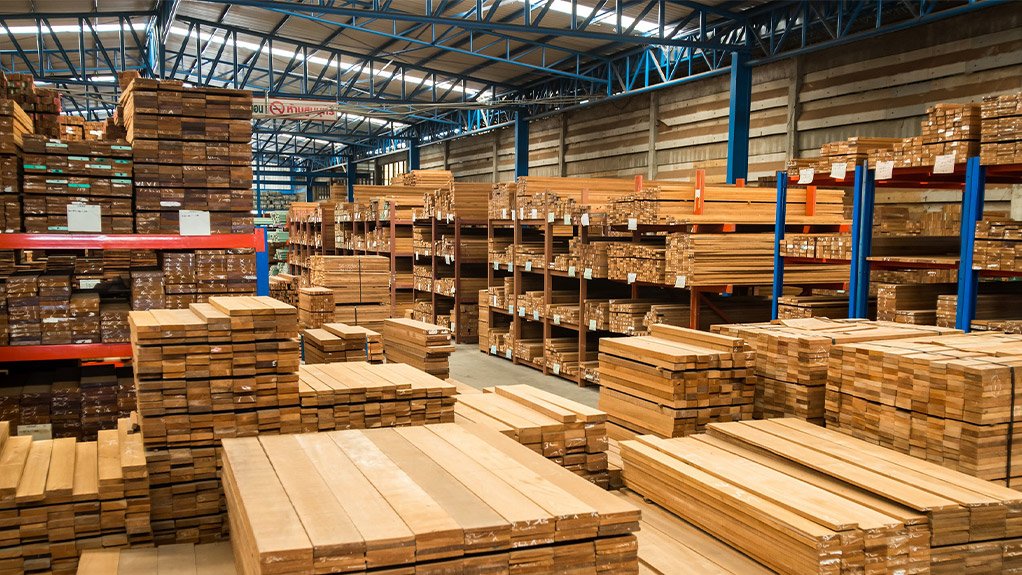
In today’s environmentally conscious world, the demand for sustainable timber is on the rise. Choosing the right timber supplier is crucial for both businesses and individuals who wish to minimize their environmental impact and ensure the longevity of forests. Understanding the intricacies involved in sustainable timber sourcing can significantly impact the quality and sustainability of one’s projects. This article delves into the secrets of sustainable timber suppliers, exploring their strategies, challenges, and the benefits they offer.
The Importance of Sustainable Timber
Sustainable timber refers to wood sourced from forests that are managed in such a way as to meet the needs of the present without compromising the ability of future generations to meet their own needs. This practice not only ensures the preservation of forests but also supports biodiversity and local communities.
- Environmental Benefits: Sustainable timber practices help in maintaining the ecological balance, promoting biodiversity, and reducing carbon footprints.
- Economic Advantages: These practices often support local economies and provide jobs in rural areas.
- Social Impact: Sustainable timber sourcing respects the rights of indigenous communities and ensures fair trade practices.
Characteristics of a Sustainable Timber Supplier
Identifying a reliable sustainable timber supplier involves understanding their operations and commitments. Here are key aspects to consider:
Certifications and Standards
A crucial factor is whether the supplier is certified by recognized bodies such as the Forest Stewardship Council (FSC) or the Programme for the Endorsement of Forest Certification (PEFC). These certifications ensure that the timber is sourced responsibly. Discover expert strategies here to evaluate certifications effectively.
Transparency and Traceability
Leading suppliers provide clear information about the origin of their timber and the processes involved in its harvesting and milling. Traceability ensures that every step of the supply chain is monitored, from forest to final product. Learn about our tailored solutions to improve transparency in timber supply.
Strategies for Sustainable Timber Sourcing
Implementing effective strategies is essential for sustainable timber sourcing. These strategies help in achieving environmental goals while meeting market demands.
- Selective Logging: This involves choosing specific trees for harvesting to minimize impact on the forest ecosystem.
- Agroforestry: Combining agriculture and forestry practices can enhance biodiversity and increase timber yield sustainably.
- Reforestation and Afforestation: Planting new trees to replace those that were harvested ensures a continuous supply of timber.
For businesses looking to adopt these strategies, explore advanced guides and tips on sustainable practices.
Challenges Faced by Sustainable Timber Suppliers
The path to sustainability is fraught with challenges. Suppliers must navigate regulatory complexities, market pressures, and logistical hurdles.
Regulatory and Compliance Issues
Sustainable timber suppliers must adhere to strict regulations and international standards, which can be complex and costly. Ensuring compliance while remaining competitive is a delicate balance. Find out more about this approach to managing compliance effectively.
Market Dynamics
The demand for sustainable timber is increasing, but so is the competition. Suppliers must differentiate themselves by offering quality products and maintaining ethical sourcing practices.
The Future of Sustainable Timber
The future of sustainable timber is promising, with technological advancements and increased awareness driving the industry forward. Innovations in forest management and timber processing are paving the way for more efficient and sustainable practices.
As more companies and consumers prioritize sustainability, the role of reliable timber suppliers becomes ever more critical. Embracing these changes can lead to a more sustainable and prosperous future for all stakeholders involved. For those interested in the future trends of the timber industry, explore advanced guides and tips to stay ahead.