Embarking on a journey to become a commercial pilot is a significant step toward a rewarding and dynamic career. The aviation industry demands highly skilled professionals who are not only adept at controlling an aircraft but also possess a deep understanding of aviation regulations and safety protocols. A comprehensive pilot training course is essential to equip aspiring pilots with the necessary skills and knowledge to excel in this field. This article delves into the key components of a comprehensive commercial pilot course, designed to help students reach new heights in their aviation careers.
Core Components of a Comprehensive Training Program
A rigorous commercial pilot course is structured to cover various critical aspects of aviation. This ensures that trainees receive a well-rounded education that prepares them for the challenges of a commercial flying career.
Ground School Training
- Aviation Theory: Comprehensive understanding of aerodynamics, meteorology, and navigation.
- Regulatory Knowledge: Familiarization with aviation laws, air traffic control procedures, and safety regulations.
- Communication Skills: Training in aviation-specific communication to ensure clear and effective interactions with air traffic control and crew.
For more detailed information on aviation theory and its applications, explore advanced guides and tips in our pilot training program.
Flight Training Experience
- Hands-On Flight Training: Extensive flying hours under the supervision of experienced instructors.
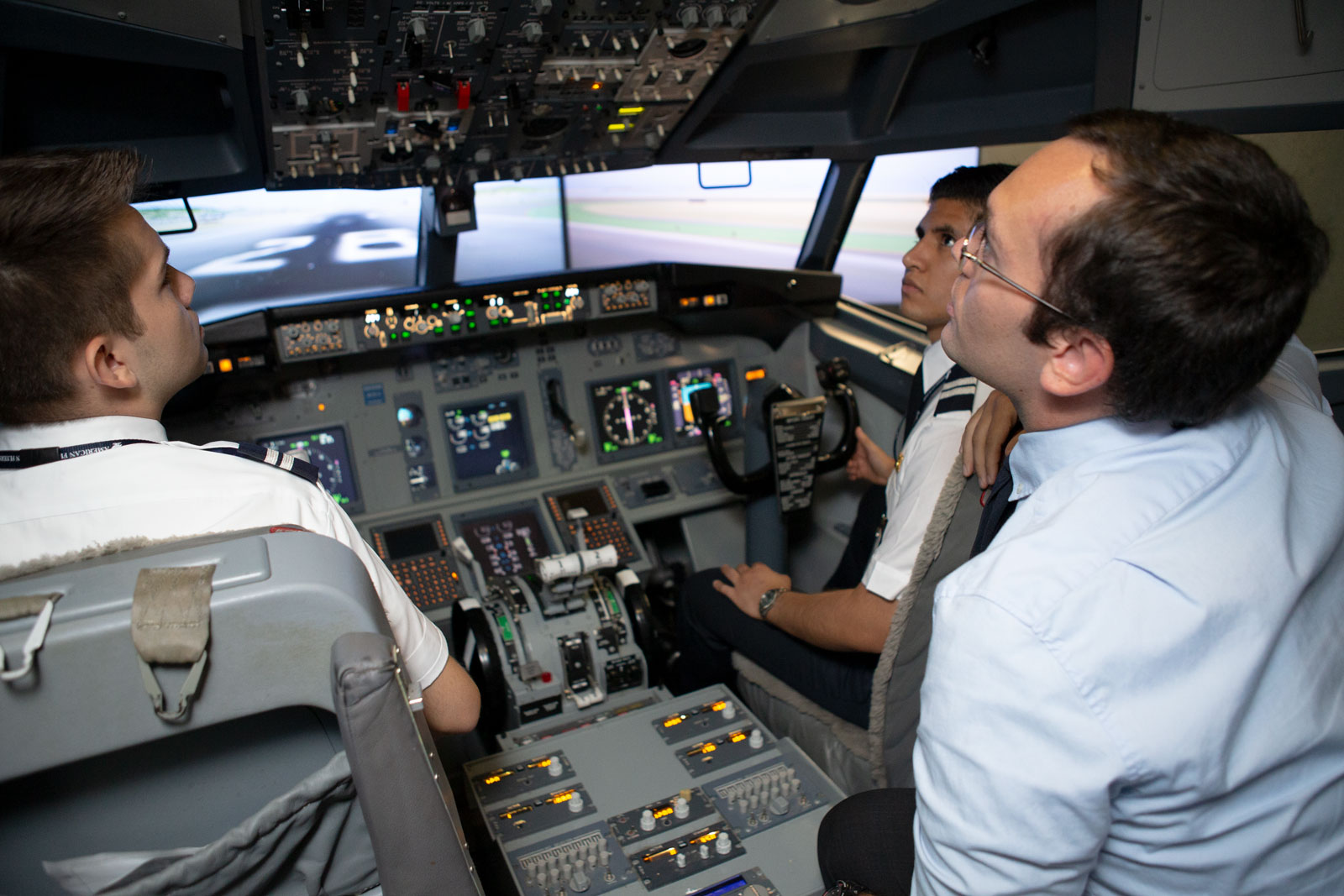
- Simulator Sessions: Utilization of advanced flight simulators to practice emergency procedures and complex maneuvers.
- Multi-Engine Aircraft Training: Experience in operating various aircraft types to broaden skill sets.
To learn about our tailored solutions for flight training, discover expert strategies here.
Benefits of a Structured Pilot Course
The benefits of participating in a structured commercial pilot course extend beyond gaining a pilot’s license. The program is designed to develop a wide range of competencies that are crucial for a successful career in aviation.
Professional Development
- Leadership Skills: Training emphasizes decision-making and leadership both in the cockpit and on the ground.
- Problem-Solving Abilities: Developing quick-thinking skills necessary for handling unforeseen situations effectively.
- Career Advancement Opportunities: Graduates are well-prepared to pursue advanced roles in the aviation industry.
Find out more about this approach in the professional development section of our comprehensive course.
Choosing the Right Training Program
Selecting the right training program is a crucial decision for aspiring pilots. A reputable program not only offers comprehensive training but also provides support and resources that are essential for a successful career.
When evaluating a program, consider the following factors:
- Accreditation: Ensure the program is accredited by relevant aviation authorities.
- Instructor Expertise: Qualified instructors with real-world experience in the aviation industry.
- Training Resources: Access to modern training equipment and facilities.
- Career Support: Programs that offer guidance and job placement assistance for graduates.
For more information on selecting an ideal training program, explore our detailed guide.
In conclusion, a comprehensive commercial pilot course is an invaluable investment in one’s future as a pilot. By covering essential theoretical knowledge, practical flight training, and professional development, such a program ensures that graduates are well-equipped to meet the demands of the aviation industry. Aspiring pilots can significantly benefit from exploring the diverse opportunities and structured training offered by a renowned program.