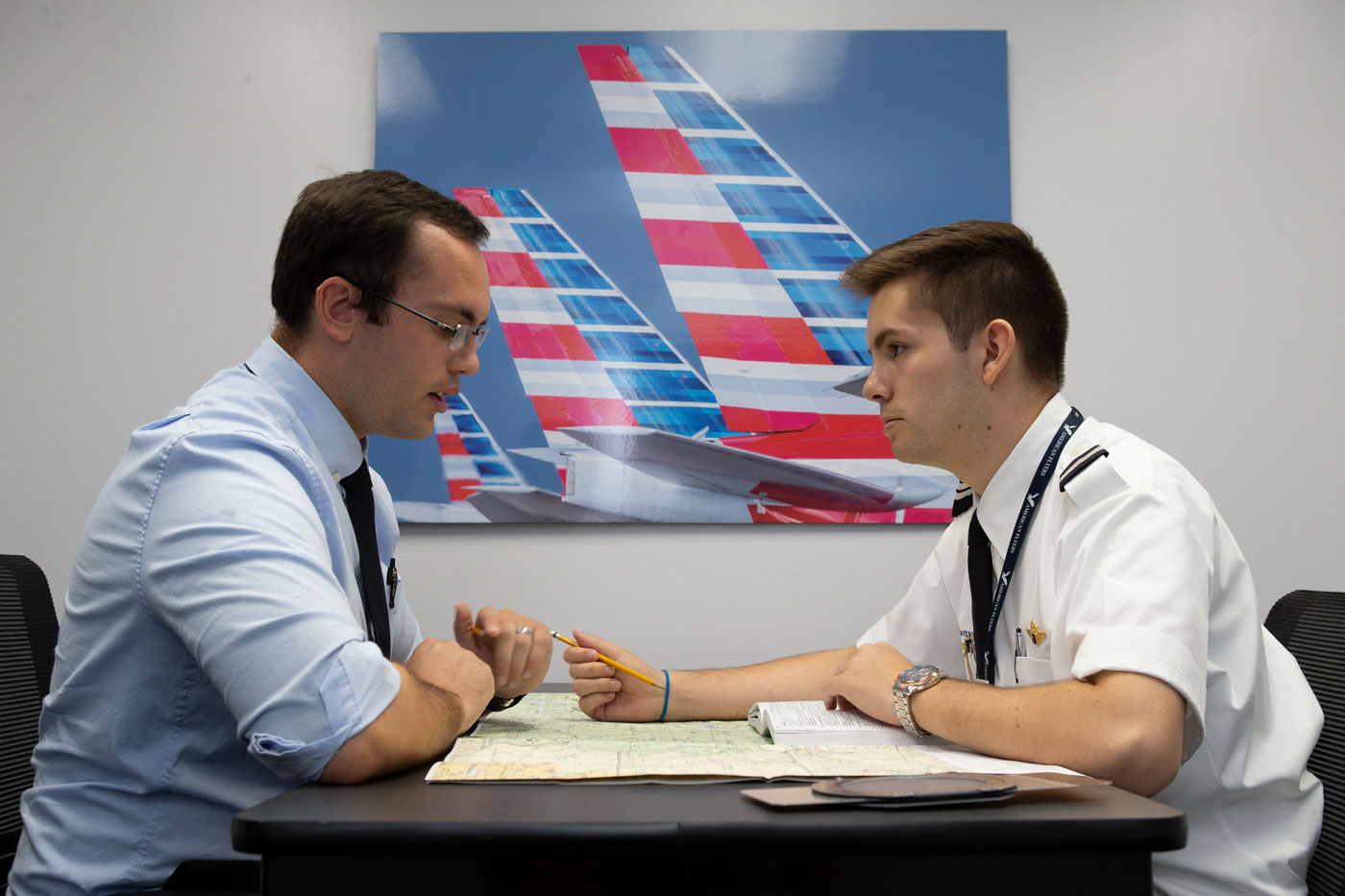
Embarking on a career as an airline pilot is a dream for many aviation enthusiasts. The path to the cockpit, however, requires dedication, rigorous training, and a thorough understanding of the aviation industry. Pilot classes are designed to equip aspiring pilots with the necessary skills and knowledge to excel in this high-stakes profession. This comprehensive guide delves into the key components of airline pilot classes, providing future aviators with crucial insights and resources to navigate their journey effectively.
Understanding the Basics of Pilot Training
At the core of becoming an airline pilot is a solid foundation in flight training. Various programs offer tailored solutions to cater to the unique needs of each student. Learn about our tailored solutions that align with different career goals and schedules.
Key Components of Pilot Training
- Ground School: This phase covers fundamental aerodynamics, navigation, meteorology, and aviation regulations.
- Flight Training: Practical flying lessons that hone skills in aircraft handling, communication, and emergency procedures.
- Simulator Training: Advanced simulation exercises to prepare for complex scenarios and enhance decision-making skills.
- Examinations and Certifications: Completion of written exams and flight tests to earn licenses and certifications.
Choosing the Right Pilot Classes
Selecting the appropriate pilot classes is crucial for success. The right program will offer not only technical training but also mentorship and career support. Discover expert strategies here to evaluate training programs effectively.
Factors to Consider
- Accreditation: Ensure the training institution is recognized by relevant aviation authorities.
- Instructors: Experienced instructors with a thorough understanding of industry standards.
- Facilities: Access to state-of-the-art equipment and technology for comprehensive training.
- Alumni Network: A strong network of alumni can aid in job placements and career advice.
Preparing for a Successful Aviation Career
Beyond technical skills, aspiring pilots must develop a set of soft skills and personal attributes. Effective communication, problem-solving abilities, and leadership qualities are essential. Explore advanced guides and tips here to enhance these vital skills.
Essential Soft Skills
- Communication: Clear and concise communication is vital, especially in high-pressure situations.
- Teamwork: Pilots must work collaboratively with crew members and air traffic control.
- Adaptability: The ability to adapt to changing conditions and unexpected challenges is crucial.
- Leadership: Strong leadership skills are necessary for managing crew and ensuring passenger safety.
Continuing Education and Career Advancement
The aviation industry is ever-evolving, and continuous learning is imperative for career advancement. Pilots should engage in ongoing education to keep abreast of new technologies and regulations. Find out more about this approach here.
Opportunities for Growth
- Specialized Training: Pursue additional certifications in specific aircraft models or aviation sectors.
- Advanced Degrees: Consider pursuing advanced degrees in aviation management or aeronautics.
- Professional Associations: Join professional bodies to network and access industry resources.
- Mentorship Programs: Seek mentorship opportunities for guidance and career development.