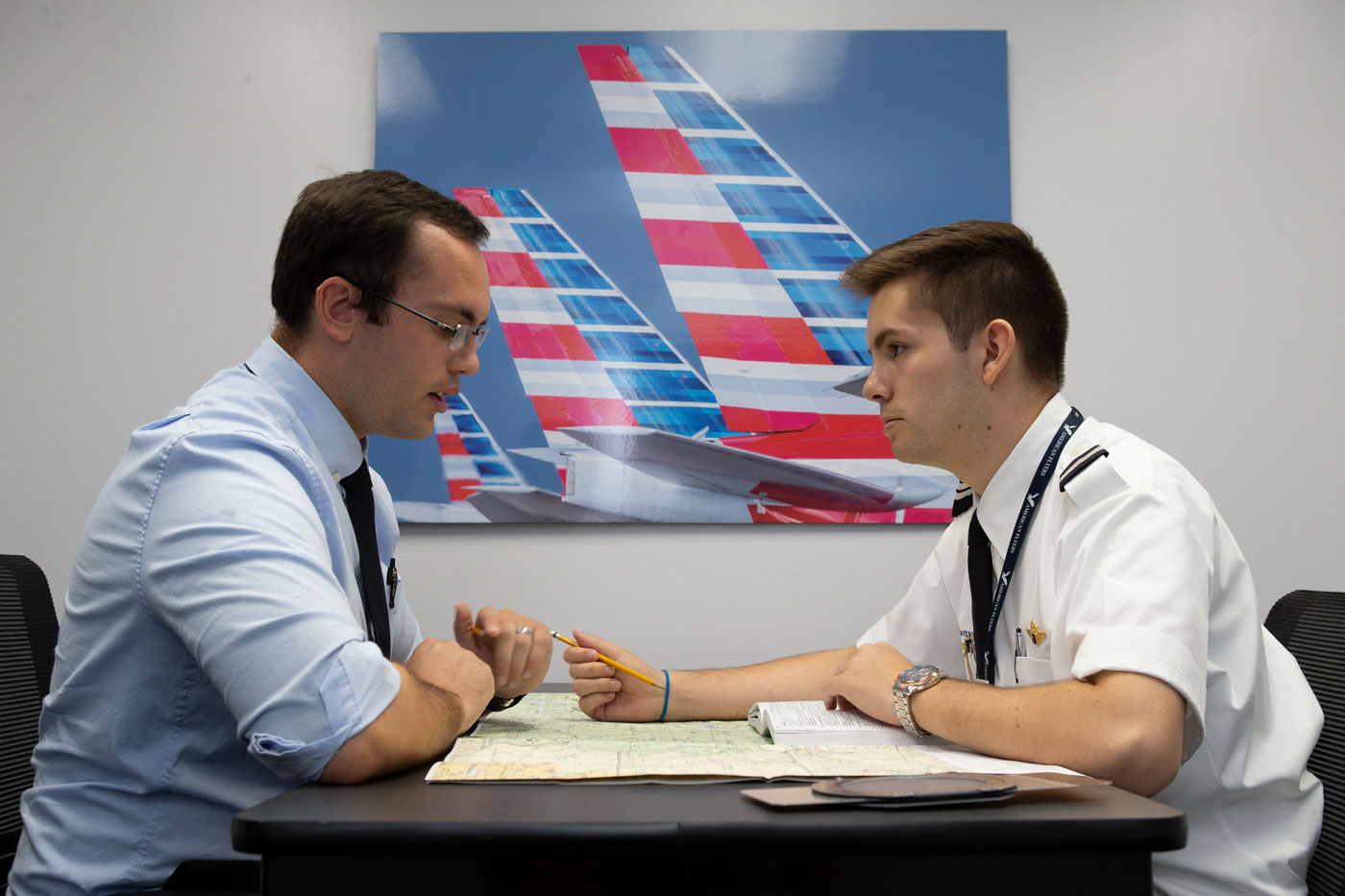
The journey from classroom to cockpit is a transformative experience that requires dedication, skill, and a passion for aviation. Airline pilot training is a rigorous process that combines theoretical knowledge with practical application. Aspiring pilots must navigate a series of challenging courses, simulations, and flight training to reach the ultimate goal of becoming a certified airline pilot. This article delves into the intricacies of airline pilot training, highlighting the essential steps and components involved in transforming a novice into a seasoned aviator.
Theoretical Knowledge and Ground School
The foundation of any pilot training program lies in the comprehensive understanding of aviation theory. Ground school provides aspiring pilots with the essential knowledge needed to operate an aircraft safely. This phase covers a wide range of topics, including:
- Aerodynamics and flight principles
- Navigation and meteorology
- Aircraft systems and performance
- Air traffic control procedures
- Aviation regulations and safety protocols
For those interested in a deeper dive into the curriculum and what to expect, Discover expert strategies here.
Simulator Training
Simulator training is a crucial component of pilot training, allowing trainees to experience various flight scenarios in a controlled environment. These high-fidelity simulators replicate real-world conditions, enabling pilots to practice maneuvers, emergency procedures, and instrument flying without the risks associated with actual flight. Key benefits of simulator training include:
- Safe environment for practicing emergency scenarios
- Ability to repeat and refine complex maneuvers
- Enhanced understanding of cockpit resource management
To explore advanced guides and tips on utilizing simulators effectively, Explore advanced guides and tips.
Flight Training
Initial Flight Training
The transition from simulators to actual aircraft marks a pivotal moment in a pilot’s training journey. Initial flight training focuses on developing fundamental flying skills under the supervision of experienced instructors. Trainees learn:
- Basic flight maneuvers and aircraft control
- Take-off and landing procedures
- In-flight navigation and communication
For more on how initial flight training builds a solid foundation, Find out more about this approach.
Advanced Flight Training
After mastering the basics, pilots move on to advanced flight training, where they refine their skills and learn to handle more complex aircraft. This stage includes:
- Instrument flight training for flying in varied weather conditions
- Multi-engine training for handling larger aircraft
- Emergency procedure drills
To learn about tailored solutions and advanced training methods, Learn about our tailored solutions.
Certification and Beyond
Upon successful completion of training, pilots must pass a series of examinations to obtain their commercial pilot license (CPL) and airline transport pilot license (ATPL). These certifications validate their ability to operate commercial aircraft professionally. Continuing education and recurrent training are crucial to maintaining proficiency and staying updated with the latest aviation technologies and regulations.
The path from classroom to cockpit is challenging yet rewarding. Aspiring pilots who commit to the rigorous training process can look forward to a fulfilling career in aviation, soaring through the skies and navigating the complexities of air travel with skill and confidence.